
site loader
July 4, 2024 Odun Nlo Sopin: A Gospel Milestone Story

Odun Nlo Sopin: A Gospel Milestone Story

Odun Nlo Sopin: A Gospel Milestone Story

Introduction

The story behind Odun Nlo Sopin is not just about music—it is a testimony of obedience, sacrifice, and uncommon grace. Long before the album became a household name in gospel music, C.A.C. Good Women Choir Ibadan followed a spiritual pattern that defined all their releases: total dependence on God.

As was the custom of the choir, preparation for any recording did not begin in the studio but on the mountain. The women would retreat into fasting, prayer, and waiting on God to receive divine direction before fixing any recording date with their producer. When the time came to record Odun Nlo Sopin in 1979, there was no special arrangement, publicity plan, or unusual procedure. It was approached with the same humility and prayerful spirit that characterized every other project.

Yet, Odun Nlo Sopin turned out to be extraordinary.

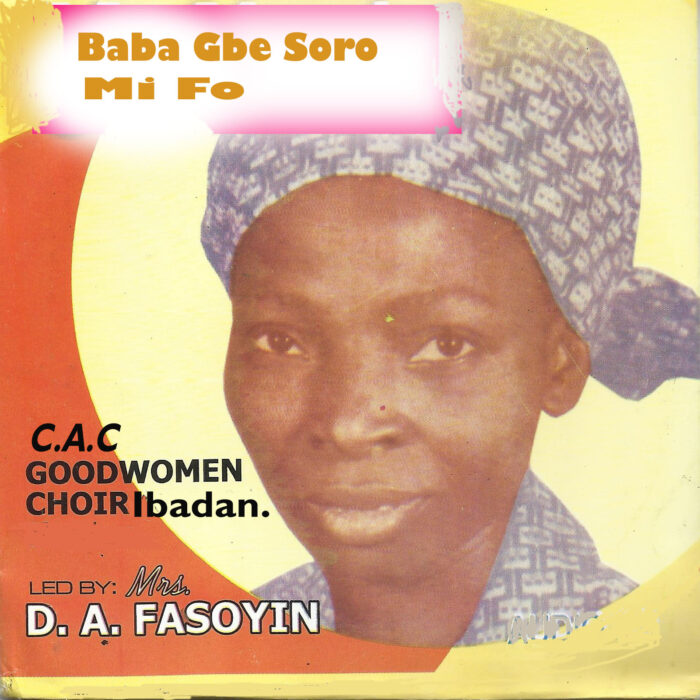
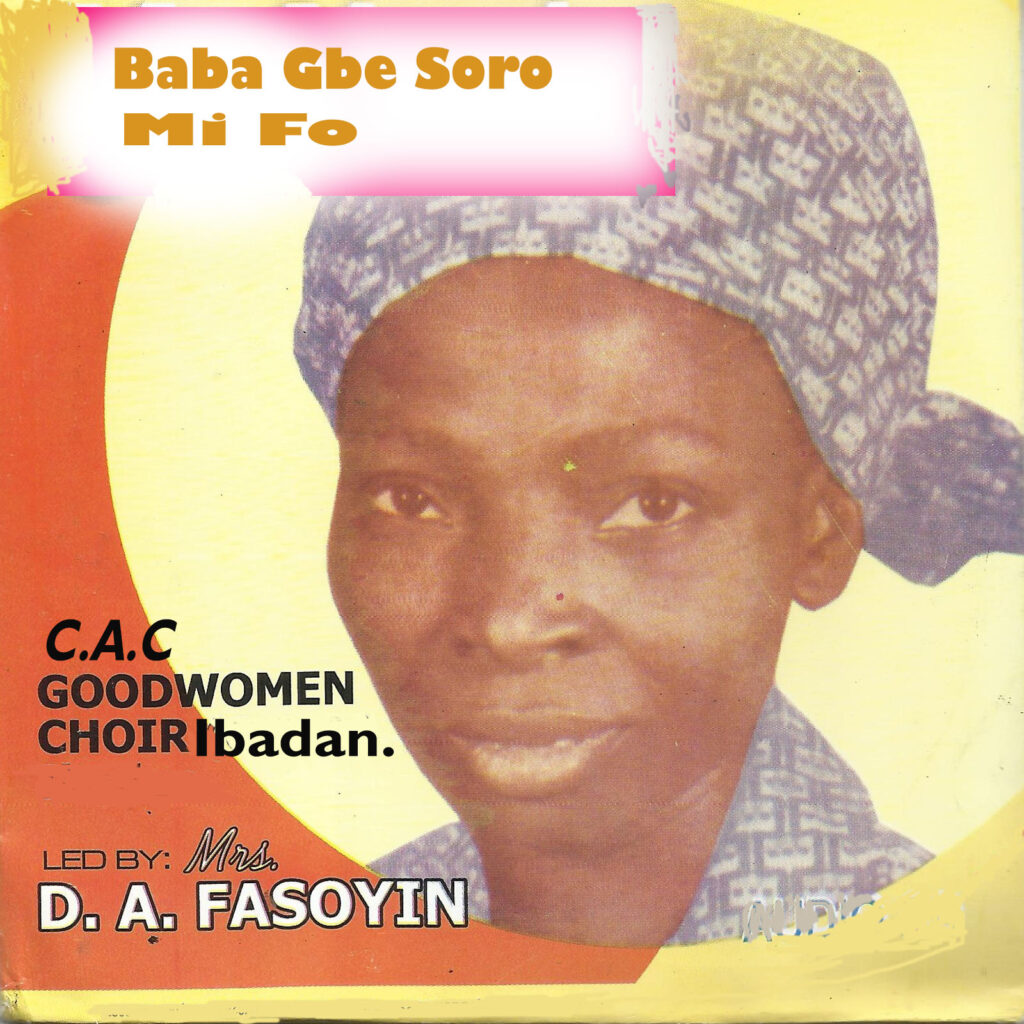
The album is a prayer song that earnestly seeks God’s supernatural protection over the lives of those who listen to it. By the grace of God, this prayer has continually found expression in countless testimonies from within Nigeria and across the world. Many have returned with stories of divine preservation, deliverance, and safety after listening to the song. It is this unmistakable hand of God that has made Odun Nlo Sopin stand out among the choir’s over twenty-four releases.

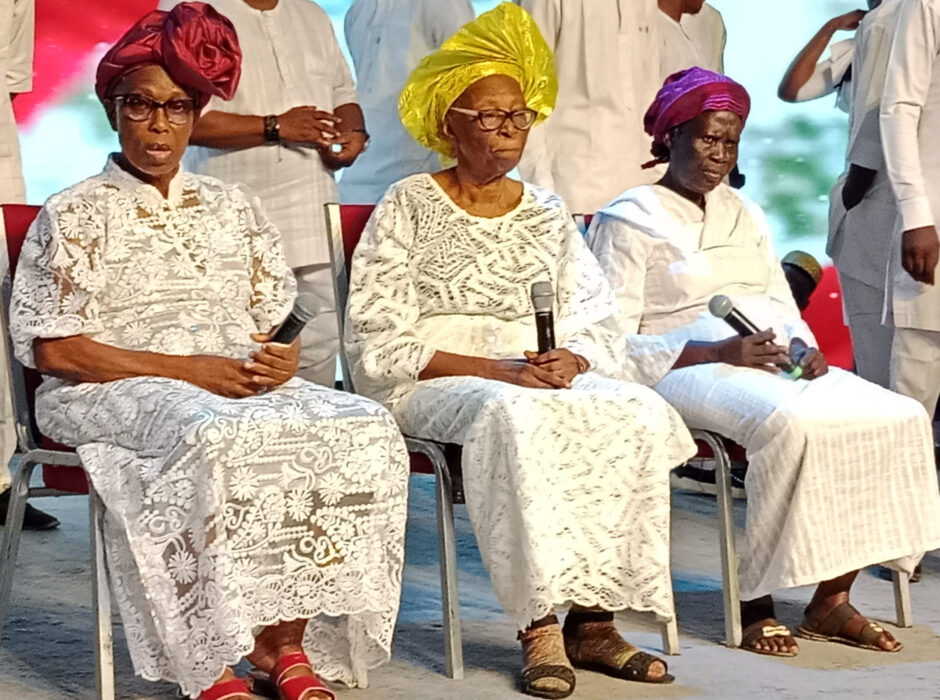
When the song was recorded, the choir had no idea they were making history. They never imagined that decades later, Odun Nlo Sopin would still remain relevant, powerful, and deeply cherished across generations. Of the fifteen women who recorded the album in 1979, only five—including their leader, Mrs. D.A. Fasoyin—are still alive today. Their survival alone stands as a testament to God’s preserving grace.

Perhaps the enduring power of Odun Nlo Sopin can be traced to the heart with which it was created. These women were not driven by financial gain or fame. At the time, gospel music was purely ministry, fueled by personal sacrifice. They served God wholeheartedly, even with their own resources, trusting Him for everything. It is believed that God honored this sincerity by placing His divine seal upon the album, transforming it into a global brand that continues to bless lives from generation to generation.

A remarkable example of this selflessness occurred on October 15, 1980, when the choir’s producer informed them that their first royalty from Odun Nlo Sopin—about ₦50,000 at the time—was ready for collection. Rather than keep the money, the choir instructed the producer to use it to purchase musical instruments for the group. This single decision later enabled the choir to acquire a Davoli musical instrument, a Toyota Coaster bus, and a pickup van for transporting their equipment.

Odun Nlo Sopin is a collection of seven powerful prayer tracks that has worked wonders and continues to do so. Truly, this album is a manifestation of great grace.

Glory be to God. Hallelujah!

You can watch and listen to more soul-lifting songs from C.A.C. Good Women Choir Ibadan on their official website:

www.cacgoodwomenchoiribadan.com


July 4, 2024 A Glimpse into the Powerful Ministrations of C.A.C. Good Women Choir

A Glimpse into the Powerful Ministrations of C.A.C. Good Women Choir

A Glimpse into the Powerful Ministrations of C.A.C. Good Women Choir

Introduction

The ministry of the C.A.C. Good Women Choir, Ibadan, led by the revered Mrs. D.A. Fasoyin, is a powerful testimony of gospel music in action. Over the years, the choir has faithfully answered numerous invitations from churches and Christian gatherings across Nigeria, carrying the message of Christ through song with humility, consistency, and spiritual depth.

From the early days of their evangelical ministry, the choir demonstrated a strong commitment to outreach. They traveled extensively, ministering in the Northern regions of Nigeria as well as almost every state in the Western part of the country. These journeys were not merely musical tours; they were evangelical missions. Through indigenous gospel songs rich in Scripture and cultural expression, the choir preached salvation, hope, and encouragement to diverse audiences, often in settings where the gospel needed gentle yet powerful proclamation.

Over the decades, the choir has ministered at many notable church programs and Christian events. Their ministrations have graced platforms such as the Holy Ghost Congress of the Redeemed Christian Church of God at Redemption City, Mega Praise gatherings, and services at C.A.C. Canaan Land, Garage Olode, Ile-Ife. They have also ministered at First Baptist Church, Ikeja, and several parishes of the Redeemed Christian Church of God, including House of His Glory (Area 3, Province 2, Off Allen Avenue, Ikeja), Dominion Cathedral, Gowon Estate, and King Court Parish, Ikeja.

Beyond church auditoriums, the choir’s voice has echoed through public and media platforms. Their participation in the Lagos Television Christmas Fair, as well as Christmas Carol events organized by Lagos State, Ogun State, and Oyo State, brought indigenous gospel music to a broader audience. They also ministered at The Sword of the Spirit Ministries in Ibadan and Christ Disciples Faith Ministries in Sango-Ota, among many others. Each ministration carried the same spiritual focus—glorifying God and touching lives through song.

A particularly memorable moment in the choir’s ministry occurred in 2015, when Mrs. D.A. Fasoyin honored an invitation to collaborate at a Christmas Carol event with the Healing Streams of God Choir of Daystar Christian Centre, Lagos. This historic collaboration marked a beautiful convergence of generations and styles. Three classic tracks from the C.A.C. Good Women Choir repertoire—“Odun Yi Atura,” “Odun Nlo Sopin,” and “Mo Nwoju Oluwa”—were selected for the performance.

The Healing Streams of God Choir, numbering over three hundred voices and supported by a full orchestra and traditional drummers, delivered a world-class rendition of these timeless songs. The performance was a powerful fusion of the old and the new, blending indigenous gospel heritage with contemporary classical expression. It stood as a reminder that inspired music transcends time, culture, and generation.

Above all, these ministrations reflect the enduring relevance of the C.A.C. Good Women Choir’s calling. Through decades of faithful service, their songs have continued to unite believers, inspire worship, and glorify God. Truly, their journey affirms that when gospel music is rooted in truth and sincerity, it remains forever impactful. Glory be to God.

July 3, 2024 The Birth of a Legacy: How C.A.C. Good Women Choir Ibadan ‘Seed’ Came to Be

The Birth of a Legacy: How C.A.C. Good Women Choir Ibadan ‘Seed’ Came to Be

The Birth of a Legacy: How C.A.C. Good Women Choir Ibadan ‘Seed’ Came to Be

Introduction

The story behind the formation of the C.A.C. Good Women Choir Ibadan “Seed” is one rooted in legacy, continuity, and a deep desire to preserve a divinely inspired ministry. It is a story that reflects both the realities of time and the faith that refuses to allow a God-given vision to fade away.

At its inception, the C.A.C. Good Women Choir Ibadan was a large and vibrant group, boasting a membership of about 150 women. United by a shared passion for gospel music and evangelism, the choir flourished and became a powerful instrument through which God touched lives across Nigeria. However, as the years passed, unavoidable changes began to occur. The creation of new states from the old Oyo State led to relocation and separation of members, reducing the choir’s strength to about 70.

With the passage of time came even greater challenges. Age took its toll, and death claimed some faithful members who had labored tirelessly in the ministry. Gradually, the once-large choir dwindled to about 10 members. By January 2024, only five surviving members remained—faithful witnesses to decades of sacrifice, worship, and service, all to the glory of God.

Faced with this reality, the leadership of the choir recognized an urgent need to act. The question was no longer whether the choir had a glorious past—it clearly did—but whether its legacy would continue into the future. Preserving the spiritual heritage, sound, and message of the C.A.C. Good Women Choir became an imperative responsibility.

In response to this need, the leadership made a heartfelt appeal during one of the choir’s Annual Conventions. The call was directed specifically to the children of choir members who were present at the convention—young men and women who carried the heritage of faith and music within them. Those with a passion for gospel music were encouraged to step forward and become part of the choir, not merely as singers, but as carriers of a legacy.

Although the response to this appeal was not overwhelming, it was significant. A few of the choir members’ children expressed their willingness to join and continue the work. This small but meaningful response marked the beginning of what is now known as the C.A.C. Good Women Choir Ibadan “Seed.” Just like a seed planted in faith, it represented hope, continuity, and the promise of growth.

As time went on, the structure of the choir evolved further. To support the ongoing ministrations of Mama D.A. Fasoyin, some professional session musicians and backup singers were incorporated into the group. These individuals now serve as musical support during church ministrations and other Christian engagements, ensuring that the message of the gospel continues to be delivered with excellence and spiritual sensitivity.

The formation of the “Seed” is a powerful reminder that God’s work does not end with one generation. Even when numbers are few, purpose remains strong. The C.A.C. Good Women Choir Ibadan “Seed” stands as a testimony that legacy, when nurtured with faith and vision, will always find a way to grow and flourish.

July 3, 2024 A Decade of Silence: The Story Behind C.A.C. Good Women Choir’s 10-Year Break

A Decade of Silence: The Story Behind C.A.C. Good Women Choir’s 10-Year Break

A Decade of Silence: The Story Behind C.A.C. Good Women Choir’s 10-Year Break

Introduction

Even the most faithful ministries sometimes face seasons of pause, and the story of the C.A.C. Good Women Choir Ibadan is a testament to God’s timing and faithfulness. From 1995 to 2005, the choir experienced a temporary break, not because of waning passion or loss of vision, but due to a divine season of rest and restoration.

In 1995, Mrs. D.A. Fasoyin, the revered leader of the choir, was advised by her doctor to take a leave of absence. This recommendation came as she underwent medical therapy, and it became necessary for her to step back and focus entirely on her health. While this period required her personal attention, it did not mean the choir’s mission had ended.

During this time, the choir continued to meet regularly in their choir hall. They maintained their schedule of rehearsals and prayers, nurturing the spiritual unity and dedication that had always defined them. The only adjustments were that the choir temporarily paused church ministrations and studio recordings. Even in this quiet season, their commitment to God and music remained unwavering.

God’s timing, as always, was perfect. By 2003, after divine intervention and restoration of health, Mrs. Fasoyin began compiling songs at home. This effort marked the beginning of a powerful new chapter in her ministry and eventually led to the recording of her first solo album, “Ogo Ikehin,” in 2004. This album did more than just showcase her musical talent—it publicly signaled her return to active ministry and reminded all of the enduring anointing on her life.

The release of “Ogo Ikehin” not only marked Mrs. Fasoyin’s return but also reignited the collective ministry of the C.A.C. Good Women Choir. Choir members, who had remained spiritually connected during the break, were reunited and once again joined hands to bring glory to God. This reunion became a catalyst for preserving the choir’s rich musical heritage, as they began producing videos for their earlier albums.

Starting with “Odun Nlo Sopin” and later “Odun Yi Atura,” the choir reintroduced their most beloved songs to a new generation of listeners. These projects showcased the timeless quality of their music, combining traditional gospel sounds with an authenticity that had always distinguished the choir. Through this renewed ministry, the choir not only preserved its legacy but also expanded its reach, inspiring countless believers and uplifting hearts through worship.

Looking back, the 10-year pause was not a period of loss, but a season of preparation. It allowed healing, reflection, and divine orchestration of a comeback that strengthened the choir’s impact. Today, the story of this break serves as a powerful reminder: God’s work is never hindered by temporary pauses. When the timing is right, He restores, rejuvenates, and elevates His servants to fulfill their divine calling.

Truly, the ministry of the C.A.C. Good Women Choir stands as a testament to perseverance, faith, and God’s miraculous intervention. Their reunion and continued work are living proof of God’s faithfulness, and we give glory to Him for every song, every album, and every life touched through this anointed choir.

July 3, 2024 Mrs. D.A. Fasoyin: Her Story, Her Calling, Her Impact

Mrs. D.A. Fasoyin: Her Story, Her Calling, Her Impact

Mrs. D.A. Fasoyin: Her Story, Her Calling, Her Impact

Introduction

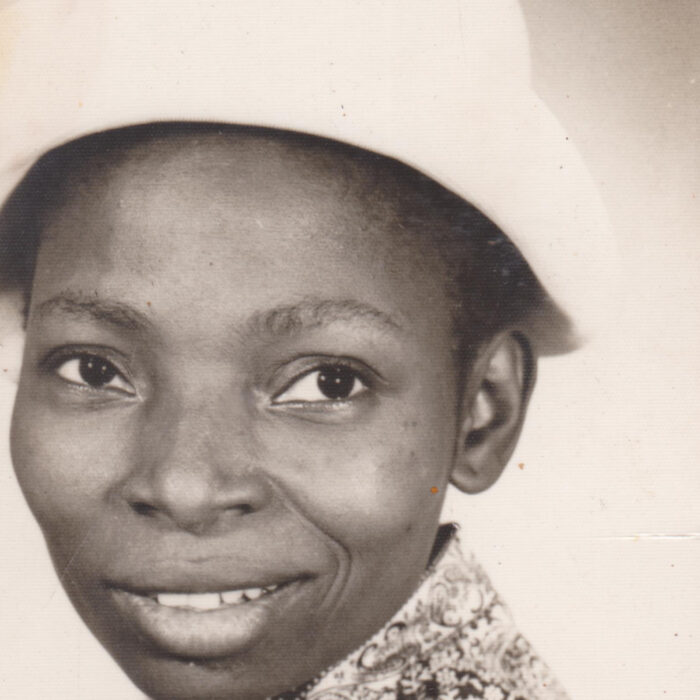
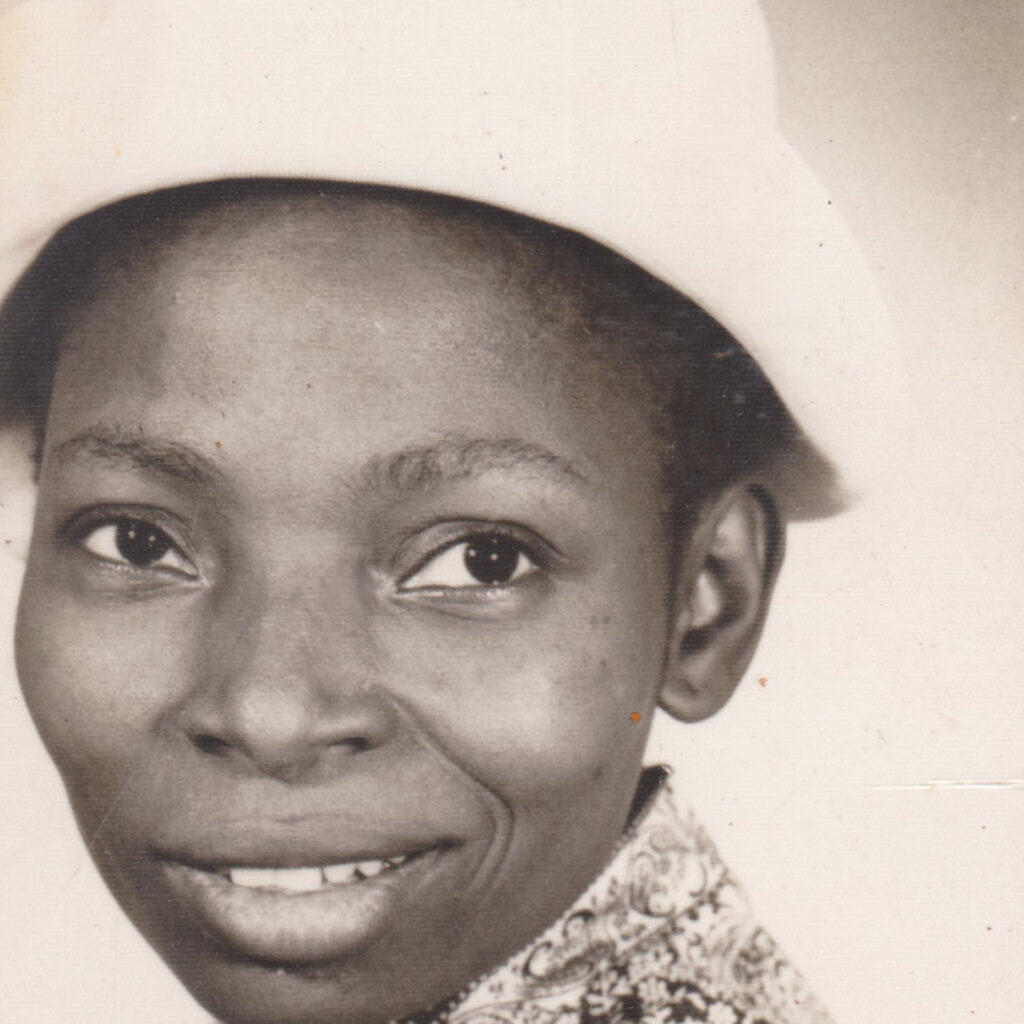
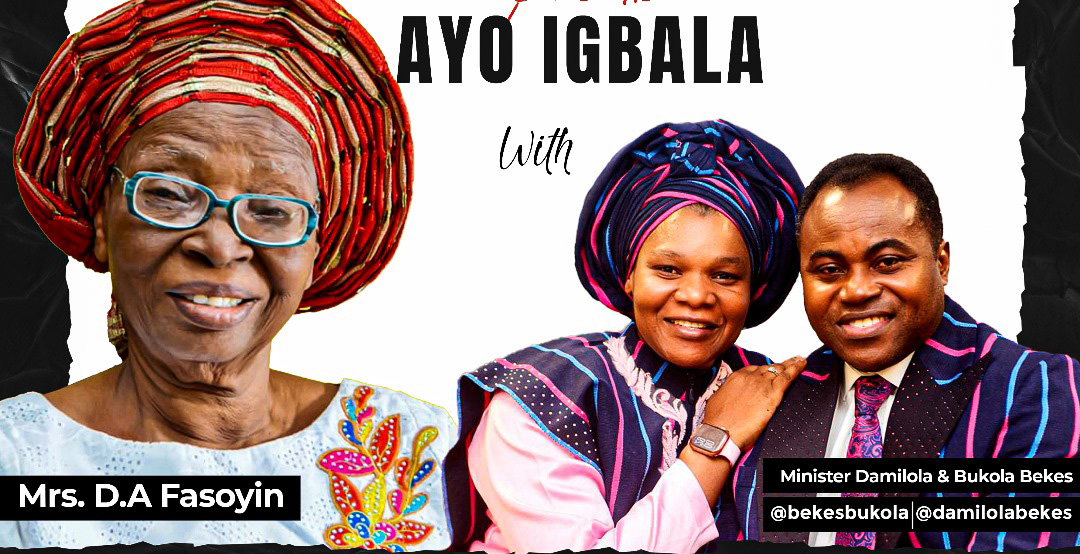
Mrs. Deborah Adebola Fasoyin is a living testimony of faith, perseverance, and lifelong devotion to God. Born on the 1st of March 1940 in Oyo Town, she came from a humble yet disciplined home as the only daughter and last of six children of Mr. and Mrs. Afolabi. Her father, Joseph Afolabi, combined farming with service as a cook for Europeans at Saint Andrew’s Teacher Training School, while her mother, Mary Olaegbe Afolabi, was a diligent trader from Ogbomosho. From this foundation of hard work and integrity, Mrs. Fasoyin’s remarkable journey began.

Her educational path took her through several towns, including Oyo, Jos, Ogbomosho, Lagos, and finally Lalupon on the outskirts of Ibadan, where she completed her primary education. In 1956, she proceeded to Orita-Metta Baptist Girls Modern School, Ibadan. Beyond academics, her early years were already marked by a deep love for God and music—two forces that would later define her life’s calling.

Mrs. Fasoyin gave her life to Christ at a very tender age and joined the choir of Saint Michael’s Anglican Church, Oyo, in 1949. Music quickly became more than a passion; it became a channel through which her faith found expression. Following her marriage in 1961 to Elder Olusola Fasoyin of the Christ Apostolic Church, she experienced a denominational shift that further strengthened her spiritual walk. Her participation in a gospel recording project at Pastor Kayode Abiara’s C.A.C. Oke Imole, Ibadan, later brought her voice and anointing to public attention, confirming her calling as a gospel singer and chanter of promise.

Alongside her ministry, Mrs. Fasoyin built an admirable professional career, working with Kingsway Stores (UAC) from December 1958 until her resignation as a manager in June 1987. This balance of professional excellence and spiritual dedication speaks to her disciplined and purposeful life.

Over the years, her impact through gospel music has earned her numerous local and international awards. These include the Crystal Award, the Wise Women Awards (UK) in the Naomi Category (2013), YOMAFA recognition, and PMAN’s award for the Most Evergreen Song, “Odun Nlo Sopin,” among others. She is also a respected member of the Gospel Musicians Association of Nigeria (GOMAN). Together with the Good Women Choir, which she leads, her ministry continues to bless lives across generations.

At 86 years old, Mrs. Fasoyin fondly prefers to be called “Sisi”—the Young Lady—reflecting her joyful spirit and unwavering passion for the gospel. To her, gospel music is not merely performance; it is a divine calling and a powerful tool for evangelism, encouragement, and edification of the body of Christ. Her greatest achievement remains being used by God to touch and transform lives.

A mentor, mother, and inspiration to many within Christendom, Mrs. D.A. Fasoyin is blessed with four children—two sons and two daughters—and resides in Ibadan. Her life continues to remind us that when a person yields fully to God, age becomes irrelevant, and impact becomes eternal.

All her albums and videos can also be purchase online on different digital channels. You can also get all her works @ https://www.cacgoodwomenchoiribadan.com.

June 29, 2024 The Unsung Heroes Behind The Music of C.A.C. Good Women Choir

The Unsung Heroes Behind The Music of C.A.C. Good Women Choir

The Unsung Heroes Behind The Music of C.A.C. Good Women Choir

Introduction

Behind the timeless songs and enduring ministry of the C.A.C. Good Women Choir stood a dedicated group of instrumentalists whose quiet faithfulness helped shape a sound that generations continue to cherish. These men, often unseen yet deeply impactful, played a vital role in the choir’s rise and lasting influence within indigenous gospel music.

The instrumentalists whose images are remembered include Moses Sunmola, Olutimeyin, Eguntola, and Adebisi Oladapo, who stood from left to right, while Olusola Emmanuel and Olaniyi Olaoluwa were seated. Together, they formed the musical backbone of the choir, providing steady rhythm, structure, and spiritual sensitivity that complemented the choir’s vocal ministry.

One of the defining strengths of the C.A.C. Good Women Choir has always been simplicity. This simplicity was not accidental but intentional—rooted in wisdom and spiritual discernment. The choir’s music avoided unnecessary complexity in melodic progression, chord structures, and instrumental arrangement. Instead, it focused on clear melodies, heartfelt messages, and rhythmic accompaniments that supported worship rather than distracted from it.

The organ served as the only Western instrument for many years, while all other accompaniments were drawn from African percussion. This approach proved remarkably effective. By limiting instrumental complexity, the choir avoided the musical pitfalls that often plague many ensembles, such as wrong chord transitions, atonal clashes, and overcrowded arrangements. The result was music that was clean, spiritually resonant, and pleasant to the ear.

This indigenous rhythmic approach became a defining identity for the C.A.C. Good Women Choir. It gave their music a sound that was instantly recognizable—authentic, grounded, and deeply connected to African worship traditions. Their songs carried the soul of the people, remaining accessible and relatable, while still ministering profound spiritual truths. It is this authenticity that sustained the choir’s popularity across decades.

The session men worked quietly behind the scenes, yet their contribution was enormous. They helped translate vision into sound and ensured that the choir’s ministerial goals were fully expressed through music. Their discipline, humility, and understanding of the choir’s mission allowed the message of the gospel to shine without competition from excessive instrumentation.

Among the women in the choir, only two played an instrument—the agogo (bell). This simple instrument functioned as a rhythmic anchor, acting as a sledge that held the tempo steady and unified both voices and percussion. Its restrained use further emphasized the choir’s commitment to simplicity and order in worship.

A notable development in the choir’s musical journey occurred in 1977 during preparations for their second album, “Kaye Koyo.” At this point, the Talking Drum (Gangan) was introduced to accompany the existing traditional instruments. The producer believed the talking drum would add depth, flavor, and a stronger traditional expression to the songs. This addition enriched the music without compromising its simplicity, reinforcing the choir’s indigenous identity.


Another milestone came in 1988 with the album “Gba Akoso,” when the guitar was introduced as the second Western instrument, following the organ. Even with this inclusion, restraint remained the guiding principle. The guitar was used carefully to support, not overshadow, the choir’s vocal message.

Today, these instrumentalists no longer back Mama D.A. Fasoyin’s ministrations due to age. However, their legacy lives on. Some still appear in archival videos of the C.A.C. Good Women Choir, serving as visual reminders of a generation that gave its best to God. Sadly, only two of them are still alive, making their contributions even more precious in remembrance.

Their story teaches a powerful lesson: lasting ministry is often built by those who labor faithfully behind the scenes. Through simplicity, discipline, and devotion, these session men helped create a sound that continues to bless lives and glorify God.

June 29, 2024 Exploring Mrs. D.A. Fasoyin’s Recent Solo Albums

Exploring Mrs. D.A. Fasoyin’s Recent Solo Albums

Exploring Mrs. D.A. Fasoyin’s Recent Solo Albums

Introduction

Mrs. Deborah Adebola Fasoyin, a revered icon in gospel music, has continued to bless lives through her solo ministry, even after decades of leading the C.A.C. Good Women Choir Ibadan. Her solo projects reflect a deep passion for worship, a commitment to passing on her legacy, and a desire to inspire the next generation of gospel artists.

Her first solo album, “Ogo Ikehin” (Latter Glory), was recorded in 2004, marking her return to the gospel music scene after a ten-year hiatus. This album was more than a personal comeback; it represented a bridge between generations. Featuring Mrs. Fasoyin alongside young, upcoming gospel artists and session musicians, some of these emerging singers eventually became members of the C.A.C. Good Women Choir “SEED.” This strategic mentorship ensured that the baton of ministry was gradually passed to the next generation. Every track in “Ogo Ikehin” is a song of praise, reflecting Mrs. Fasoyin’s gratitude to God for restoring her voice and ministry. Notably, the album includes two tracks in English, offering a fresh variation from her traditional Yoruba songs and broadening her musical reach.

In 2007, Mrs. Fasoyin released her second solo album, “Ibere Otun” under the Berachah Music record label. The accompanying video, shot in January 2008, played a significant role in her ministry. For those who had doubted whether she would sing again due to earlier health challenges, the video was a clear testimony of God’s grace. It showcased her voice and devotion, reaffirming that she had returned to praise and worship fully. Every song in the album and video continues the theme of thanksgiving and glory to God, highlighting her renewed commitment to gospel music after a decade-long absence.

Beyond these two albums, Mrs. Fasoyin has continued to release singles, each carrying powerful messages of worship and inspiration. The first single, “Gba’Koso Nigeria” (Take Control of Nigeria), recorded with the C.A.C. Good Women Choir “SEED” Ibadan and released on 15th February 2019, urges Nigerians to entrust their nation to God and seek His guidance in leadership.

She then released the Odun Nlo Sopin series, starting with Odun Nlo Sopin WAZOBIA on 18th August 2020. This track extended the blessings of her evergreen song “Odun Nlo Sopin” to all Nigerians by translating it into the country’s three major languages—Yoruba, Hausa, and Igbo—ensuring that the message reached a wider audience.

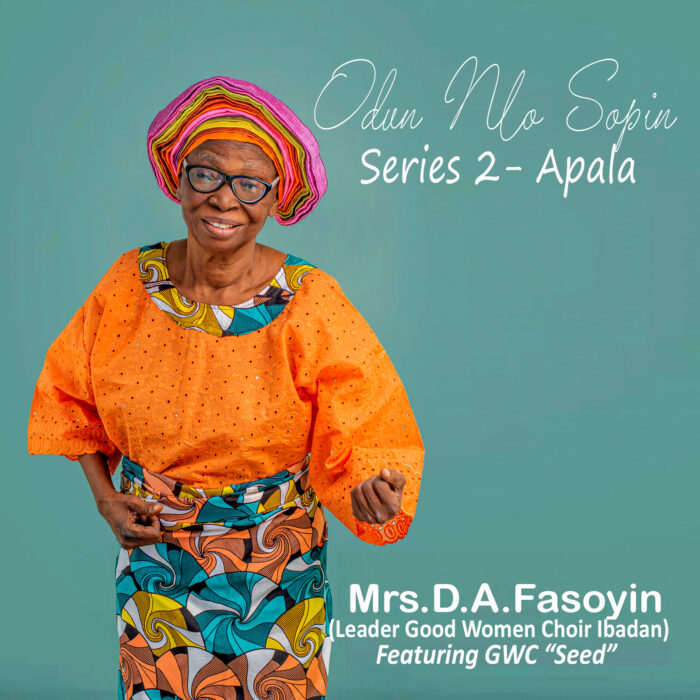
The second track in the series, Odun Nlo Sopin Series 2 – Apala, celebrates Jesus Christ and expresses gratitude for life and divine protection as the year comes to an end. This release specifically honors the “Gospel Apala” genre, beloved by many devotees of traditional gospel music.

The most recent release, Odun Nlo Sopin Series 3 – Prophetic Declaration (recorded in 2022), is performed in the indigenous Yoruba “ESA” style. It is a traditional praise song that combines prophetic declarations with heartfelt worship, maintaining the choir’s signature authenticity while continuing to inspire listeners across generations.

Through these albums and singles, Mrs. D.A. Fasoyin demonstrates that gospel music is not just about performance—it is a ministry of the heart. Her solo works reflect gratitude, mentorship, and a desire to see the next generation rise in worship. With every note, she continues to glorify God, uplift believers, and leave an enduring legacy in Nigerian gospel music.

June 28, 2024 Is There Any Documentary on C.A.C. Good Women Choir?

Is There Any Documentary on C.A.C. Good Women Choir?

Is There Any Documentary on C.A.C. Good Women Choir?

The legacy of the C.A.C. Good Women Choir Ibadan, led by the esteemed Mrs. D.A. Fasoyin, is a remarkable testament to faith, dedication, and gospel music ministry in Nigeria. Over the decades, the choir has ministered through song, touched countless lives, and left an indelible mark on the Christian community. Yet, despite their long-standing impact, there has not been a formal documentary capturing the entirety of the choir’s works—until now.

In 2020, a short documentary video was produced to honor the life and ministry of Mama D.A. Fasoyin in celebration of her 80th birthday. This special production highlighted key moments of her musical journey and showcased the choir’s contribution to gospel music through the years. The video served as both a tribute and a source of inspiration, reminding viewers of the enduring impact of faithful service and the power of music to glorify God.

While the short documentary captured significant milestones, the choir’s leadership has recognized the need for a more comprehensive record of their works. Plans are now underway to produce a full documentary that will chronicle the choir’s rich history, musical achievements, and spiritual influence. This project aims to document every aspect of their ministry, including studio recordings, church ministrations, and collaborative performances, ensuring that the legacy of the C.A.C. Good Women Choir Ibadan is preserved for future generations.

By God’s grace, this comprehensive documentary is expected to be completed on or before the end of 2024. It will not only celebrate the choir’s past accomplishments but also serve as a source of inspiration for aspiring gospel musicians, church choirs, and anyone seeking to serve God through music. The documentary will provide a vivid account of the choir’s journey, highlighting how faith, perseverance, and devotion can produce music that touches hearts, uplifts spirits, and glorifies God across generations.

The anticipation of this documentary reminds us that true ministry is not only about the present but also about preserving and sharing the story of God’s work for the benefit of generations to come. The C.A.C. Good Women Choir Ibadan continues to inspire, and through this forthcoming documentary, their legacy will be permanently etched in the annals of gospel music history.

Indeed, this project promises to honor the choir, celebrate Mama D.A. Fasoyin’s leadership, and ensure that the world sees the full extent of a ministry that has faithfully served God and His people for decades.

June 28, 2024 C.A.C. Good Women Choir and Political Engagement

C.A.C. Good Women Choir and Political Engagement

C.A.C. Good Women Choir and Political Engagement

The influence of the C.A.C. Good Women Choir Ibadan, led by the esteemed Mrs. D.A. Fasoyin, extends far beyond the church auditorium. Over the decades, the choir has proven to be highly relevant not only to church congregations but also to the political class in Nigeria, demonstrating that gospel music can bridge both spiritual and societal spheres.

One notable example of the choir’s early impact occurred during the Lagos City Hall Concert in 1979, held at Marina, Lagos. During this historic concert, the late sage Chief Obafemi Awolowo, accompanied by his entourage, personally visited the choir at the venue. His presence and words of encouragement highlighted the choir’s relevance and influence at the national level, signaling the respect and recognition gospel music could earn from the political leadership. This early interaction showed that the choir’s ministry was not only spiritually enriching but also culturally and socially significant.

The relevance of the C.A.C. Good Women Choir Ibadan to the political class has continued into the present day. Invitations for ministrations are regularly extended to the choir by both state and federal government bodies, particularly during the festive Christmas season. These opportunities allow the choir to minister to national leaders and citizens alike, using music as a tool to inspire, encourage, and unite.

For instance, in December 2018, the Ogun State Government invited the choir to minister at their Christmas Carol event, allowing them to share gospel messages through song in a public and official capacity. The following year, in December 2019, the Lagos State Government extended a similar invitation. These events not only reaffirmed the choir’s ongoing relevance to political leaders but also demonstrated that gospel music continues to serve as a conduit for spiritual influence and moral inspiration in public spaces.

Over time, these invitations have become a recurring tradition, illustrating a mutual recognition between the choir and political authorities. While the choir remains rooted in its evangelical mission, its engagements with government institutions highlight the respect and value placed on their ministry. Through music, the choir offers both spiritual encouragement and cultural enrichment, providing a bridge between faith and governance.

This relevance is a testament to the choir’s enduring excellence, discipline, and consistency in ministry. It also reflects the vision of Mrs. D.A. Fasoyin, whose leadership has ensured that the choir maintains both spiritual integrity and public credibility. By combining gospel excellence with humility and professionalism, the C.A.C. Good Women Choir Ibadan continues to influence hearts, uplift leaders, and inspire citizens—demonstrating that gospel music can impact every facet of society, including the political realm.

Indeed, the choir’s ministry proves that God’s work through music transcends the church walls. From the early days of Chief Obafemi Awolowo’s visit to modern state and federal Christmas events, the C.A.C. Good Women Choir remains a living testament to the power of worship to touch lives, influence leaders, and bless the nation.

June 28, 2024 The Origin of C.A.C. Good Women Choir Ibadan

The Origin of C.A.C. Good Women Choir Ibadan

The Origin of C.A.C. Good Women Choir Ibadan

The formation of the C.A.C. Good Women Choir Ibadan is a story of vision, initiative, and divine orchestration—a story that highlights the importance of purpose-driven ministry in the church. The choir was born out of an urgent need identified by the Good Women Association: the need for a central choir to bridge gaps left by host church choirs during the Association’s rotational conventions.

The C.A.C. Good Women Association holds yearly conventions, rotating the hosting responsibilities among different churches across the country. Reports at the time indicated that, during these conventions, host churches were often reluctant or unable to handle the music and praise segments effectively, particularly for special renditions. This inconsistency became a concern for the Association’s leadership, as music and worship were central to the spiritual impact of the conventions.

To address this challenge, the leadership of the C.A.C. Good Women Association in Ibadan and its surrounding district decided to establish a central choir that could serve at conventions regardless of location. This visionary decision marked the beginning of what would become a legacy of excellence, spiritual influence, and gospel music leadership.

In 1975, a formal message was sent out to all C.A.C. churches in the Ibadan district. Each church was requested to nominate two married women who had a passion for gospel music to be enlisted into the Association’s choir. The response was overwhelming, with a large number of women stepping forward to offer their voices and talents for the ministry. These women were carefully selected not only for their musical abilities but also for their commitment to Christian service.

The criteria for enlistment were specific: the woman had to be married, her husband had to be a member of C.A.C., and the husband was required to provide a written consent letter allowing his wife to participate in the choir. This approach ensured that members were fully supported both spiritually and practically, creating a strong foundation for unity and purpose within the group.

From these beginnings, the Association Choir gradually evolved into what is now known as the C.A.C. Good Women Central Choir Ibadan, under the inspired leadership of Mrs. D.A. Fasoyin. Under her guidance, the choir has grown beyond its initial purpose, producing numerous albums and videos that continue to bless lives across Nigeria and beyond. The choir’s music ministry has become a source of inspiration, spiritual encouragement, and cultural preservation, blending indigenous rhythms with timeless gospel melodies.

Mrs. Fasoyin’s leadership has also ensured that the choir remains relevant to contemporary worship while maintaining the integrity and mission envisioned at its founding. All of her albums and videos are accessible online through various digital platforms, allowing gospel lovers worldwide to experience the choir’s ministry. For more information, recordings, and videos, their works can also be found at https://www.cacgoodwomenchoiribadan.com

The formation of the C.A.C. Good Women Choir Ibadan is a testament to foresight, faith, and the power of collective worship. It demonstrates how a clear vision, coupled with a dedicated leadership team, can transform a practical need into a lasting ministry that glorifies God and impacts countless lives. From humble beginnings in 1975 to its present-day status as a celebrated choir, the story of the C.A.C. Good Women Choir Ibadan reminds us that when passion and purpose meet, extraordinary things can happen for the glory of God.