

site loader
April 15, 2026 From Heavy Hearts to Testimonies: Baba Gbesoro Mi Fo

From Heavy Hearts to Testimonies: Baba Gbesoro Mi Fo

From Heavy Hearts to Testimonies: Baba Gbesoro Mi Fo

Introduction

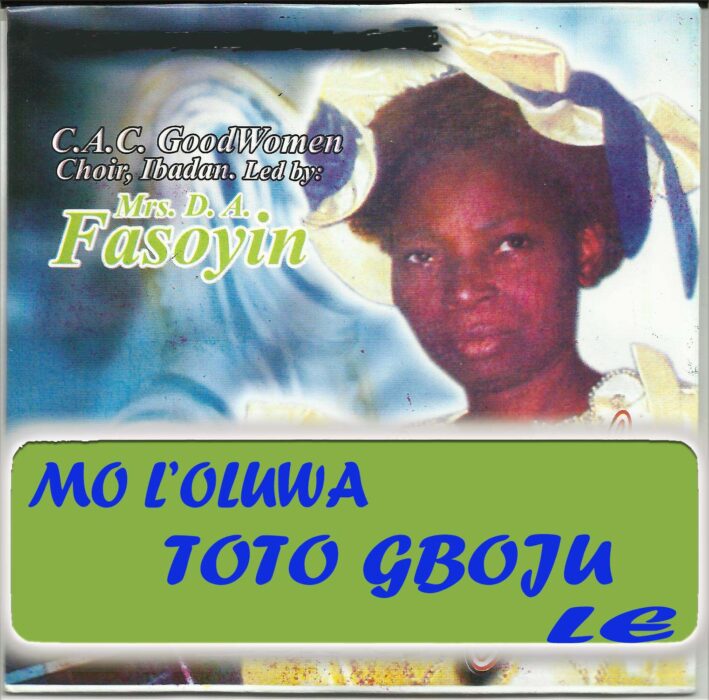
“Baba Gbesoro Mi Fo,” meaning “Father, Please Lift My Burden,” is a deeply moving and spiritually rich prayer song composed by the C.A.C. Good Women Choir, Ibadan, under the inspired leadership of Mrs. D.A. Fasoyin in April 1978. Featured on the evergreen album Mo Nwoju Oluwa, this powerful track stands as a timeless expression of heartfelt dependence on God in moments of need, pain, and longing for divine intervention.

From its very essence, “Baba Gbesoro Mi Fo” is more than just music—it is a sincere cry of the soul. It captures the vulnerability of believers who come before God with heavy hearts, trusting Him as the only One who can truly lift burdens, heal afflictions, and restore joy. The song’s message is simple yet profound: no matter how overwhelming life may feel, there is a loving Father who hears, cares, and responds.

Through its deeply spiritual lyrics and anointed delivery, the song creates an atmosphere of prayer and reflection. It invites listeners to lay down their worries, fears, and struggles before God. Whether the burden is emotional, physical, or spiritual, “Baba Gbesoro Mi Fo” reassures us that God is able to carry what we cannot bear on our own. It reminds us that our testimonies are often born out of seasons of surrender, where we trust God completely to intervene.

Over the years, this song has touched countless lives, becoming a source of comfort and strength for many. Devotees and listeners have shared testimonies of divine breakthroughs, healing, and renewed hope after engaging with this powerful ministration. Its enduring impact speaks to the authenticity of its message and the presence of God that accompanies it. Even decades after its release, it continues to minister life and restoration to all who listen with open hearts.

In today’s fast-paced and often overwhelming world, the relevance of this song cannot be overstated. Many people carry silent burdens—unspoken struggles that weigh heavily on their hearts. “Baba Gbesoro Mi Fo” serves as a gentle but powerful reminder that we do not have to carry these burdens alone. God remains ever faithful, ever present, and ever willing to step into our situations with His healing power and grace.

As you listen to this song, allow yourself to enter into a place of sincere prayer. Reflect on the areas of your life where you need God’s touch, and present them to Him with faith. Trust that He is able to lift every weight and replace it with peace, joy, and renewed strength.

Take a moment today to listen to “Baba Gbesoro Mi Fo” with a heart of expectation. Let it guide you into a deeper place of prayer and connection with God. If this song speaks to you or brings you comfort, don’t keep it to yourself—share it with someone who may be carrying a heavy burden and needs encouragement.

Also, we would love to hear from you. What burden has God lifted in your life? Share your testimony or reflection in the comments and inspire others with your story of faith. Don’t forget to like, share, and stay connected for more uplifting gospel ministrations.

Let God carry your burdens—and turn your story into a testimony. Glory to God!

.

April 8, 2026 Ayo Igbala: The Joy No One Can Take Away

Ayo Igbala: The Joy No One Can Take Away

Ayo Igbala: The Joy No One Can Take Away

Introduction

Experience the beauty and power of “Ayo Igbala,” an uplifting gospel masterpiece drawn from the timeless album Olorun Mi Seun, written and composed by the C.A.C. Good Women Choir, Ibadan, under the anointed leadership of Mrs. D.A. Fasoyin. This original video of the remix brings fresh expression to a song whose message remains eternally relevant—celebrating the incomparable joy found in salvation.

“Ayo Igbala,” which means “The Joy of Salvation,” is more than just a song; it is a vibrant declaration of the believer’s victory in Christ. From the very first note, the rich harmonies and spirited vocals create an atmosphere of praise that lifts the heart and centers the soul on God’s goodness. Through the heartfelt ministration of Mama Fasoyin and The Bekes, the song comes alive as a powerful reminder that the joy we have in Christ is unshakable—untouched by circumstances and untouched by the trials of life.

In a world often filled with uncertainty and challenges, this song stands as a bold proclamation that true joy does not come from external conditions but from an internal assurance of salvation. It is the kind of joy that remains constant in every season—whether in abundance or in lack, in celebration or in waiting. This is the joy that Jesus gives, a joy that no one and nothing can take away.

Especially during the Easter season, “Ayo Igbala” takes on even deeper meaning. It echoes the victory of Christ over sin and death, reminding believers of the hope, freedom, and new life secured through His resurrection. It calls us to reflect on the greatest gift ever given—salvation—and to respond with gratitude, worship, and renewed faith.

As you watch and listen, allow the message of this song to stir something deep within you. Let it awaken a fresh sense of thanksgiving in your heart and draw you into a moment of sincere worship. No matter where you are or what you may be going through, this song invites you to reconnect with the source of true and lasting joy.

Take a moment today to reflect: What does the joy of salvation mean to you? How has God’s saving grace transformed your life? Let this be more than just a listening experience—let it be a personal encounter with God’s love and faithfulness.

If this song blesses you, share it with others so they too can experience the joy of Christ. Engage with this message—like, comment, and spread the word. Be part of a growing community of worshippers committed to lifting the name of Jesus and sharing His light with the world.

Let “Ayo Igbala” fill your heart with joy, your mouth with praise, and your life with a renewed sense of purpose. Glory to God!

April 1, 2026 Look Unto Him: “Wo Ki Ori Iye”

Look Unto Him: “Wo Ki Ori Iye”

Look Unto Him: “Wo Ki Ori Iye”

Introduction

“Wo Ki Ori Iye” is one of the deeply moving Easter renditions by the C.A.C. Good Women Choir, Ibadan, under the anointed leadership of Mrs. D.A. Fasoyin. Taken from the evergreen album Kaye Koyo, this powerful song carries a message that is both simple and eternal—one that continues to call hearts back to God across generations.

The title, “Wo Ki Ori Iye,” meaning “Look Unto Him and Be Saved,” is a profound invitation rooted in the very essence of the gospel. It reminds us that salvation is not found in human strength, worldly systems, or personal achievements, but in God alone. Especially during the Easter season, this message becomes even more significant as believers reflect on the death and resurrection of Jesus Christ—the ultimate expression of God’s love and mercy toward humanity.

Written and composed by the choir, this song flows with a unique spiritual depth that goes beyond melody. It is a ministration that gently yet powerfully redirects the focus of the listener back to Christ. In a world filled with distractions, uncertainties, and burdens, “Wo Ki Ori Iye” serves as a divine reminder that true peace, deliverance, and victory come from fixing our gaze on God—the Author and Finisher of our faith.

The beauty of this song lies in its ability to speak to every heart, regardless of background or circumstance. Whether one is facing trials, seeking direction, or simply longing for a deeper connection with God, its message remains clear: look unto Him. In that posture of surrender and trust, there is restoration, there is healing, and there is salvation.

Decades after its release, “Wo Ki Ori Iye” continues to minister hope and strengthen faith. It stands as a testament to the enduring power of gospel music as a tool for spiritual awakening and encouragement. Its relevance has not faded; rather, it continues to shine as a guiding light for those searching for truth and assurance in uncertain times.

As you listen to this powerful ministration, take a moment to reflect on where your focus truly lies. Are you weighed down by life’s challenges? Are you searching for peace or direction? This is your invitation to lift your eyes above every situation and fix them on God, who never fails.

Let the message of “Wo Ki Ori Iye” speak directly to your heart today. Take time to listen, meditate on its lyrics, and allow God to renew your faith. If this song blesses you, share it with someone who may need encouragement and hope. Also, feel free to share your thoughts or testimony in the comments—how has God shown Himself faithful in your life?

Look unto Him… and be saved. Glory to God!

March 25, 2026 From Bondage to Freedom: Jesu Ja Sekeseke Mi

From Bondage to Freedom: Jesu Ja Sekeseke Mi

From Bondage to Freedom: Jesu Ja Sekeseke Mi

Introduction

“Jesu Ja Sekeseke Mi” stands as a deeply powerful Easter rendition drawn from the historic album Halleluyah Ale, a landmark project written and composed by the C.A.C. Good Women Choir, Ibadan, under the inspired leadership of Mrs. D.A. Fasoyin. Recorded on April 25, 1977, this song is not only musically rich but also spiritually profound, marking one of the earliest gospel recordings by an all-female choir in Nigeria. Its legacy continues to resonate as a testament to faith, obedience, and the enduring power of gospel music.

The title, “Jesu Ja Sekeseke Mi,” which translates to “Jesus Has Broken All My Spiritual Chains,” carries a message that is both bold and liberating. It is a declaration of victory rooted firmly in the Easter story—the death and resurrection of Jesus Christ. Through its lyrics, the song proclaims the complete work of redemption accomplished on the cross, reminding believers that Christ’s sacrifice has secured freedom from every form of bondage.

This song goes beyond melody; it is a spiritual proclamation. It speaks to the breaking of chains—chains of sin, fear, oppression, and every limitation that seeks to hinder the believer’s walk with God. In a world where many still grapple with unseen battles, “Jesu Ja Sekeseke Mi” serves as a reassuring reminder that victory has already been won through Christ. His resurrection is not just an event to be remembered but a reality to be experienced daily.

What makes this song particularly remarkable is its timeless relevance. Decades after its recording, it continues to inspire faith, ignite hope, and usher listeners into a deeper awareness of God’s saving power. Its message transcends generations, speaking as clearly today as it did in 1977. This enduring impact highlights the unique role of gospel music as a vessel for both spiritual truth and divine encounter.

As you listen to “Jesu Ja Sekeseke Mi,” allow its message to settle deeply in your heart. Let it remind you that no chain is too strong for Jesus to break, and no situation is beyond His power to redeem. May the victory of Christ renew your strength, strengthen your faith, and fill you with confidence in His unfailing love.

Indeed, Jesus still breaks chains—and through Him, we walk in freedom. Glory to God!

March 18, 2026 Mo Nwoju Olorun: A Cry of Faith, A Song of Hope

Mo Nwoju Olorun: A Cry of Faith, A Song of Hope

Mo Nwoju Olorun: A Cry of Faith, A Song of Hope

Introduction

Mo Nwoju Olorun is the third album by the C.A.C. Good Women Choir, Ibadan, under the anointed leadership of Mrs. D.A. Fasoyin. Written and composed by the choir in April 1978, this powerful seven-track album stands as a spiritual beacon for believers seeking God’s intervention in different areas of their lives. With its deeply prayerful tone and scriptural foundation, the album continues to bless lives decades after its release.

The title Mo Nwoju Olorun, meaning “I Am Looking Unto the Lord,” captures the essence of complete dependence on God. It reflects a posture of faith, trust, and expectation—an acknowledgment that God alone is the source of help, hope, and fulfillment. Inspired by Hebrews 12:2, which encourages believers to look unto Jesus, the author and finisher of our faith, the album calls listeners to fix their gaze on God regardless of their circumstances.

One of the most profound aspects of this album is its strong connection to prayer and divine intervention. The title track, Mo Nwoju Olorun, is particularly known for its message of hope to those trusting God for the fruit of the womb. Over the years, many testimonies have emerged from individuals and families who have experienced God’s faithfulness after prayerfully engaging with the song. These testimonies serve as a reminder that God still answers prayers and honors sincere faith.

Beyond the title track, each song on the album carries its own spiritual depth and purpose. The tracks are not merely songs but heartfelt prayers set to music—addressing various life situations and encouraging believers to seek God’s face in all circumstances. Whether in times of need, uncertainty, or waiting, the album reassures listeners that God remains faithful and attentive to the cries of His people.

The ministry of the C.A.C. Good Women Choir, Ibadan has always been rooted in sincerity, devotion, and a deep reliance on God. Mo Nwoju Olorun is a reflection of this legacy. Through simple yet powerful melodies and rich vocal harmonies, the choir delivers messages that are both spiritually uplifting and practically relevant. Their music transcends entertainment—it becomes a tool for prayer, reflection, and divine encounter.

As you listen to Mo Nwoju Olorun, you are invited into a place of faith where burdens are lifted and hope is renewed. It is a reminder that no situation is beyond God’s power and that those who look unto Him will never be put to shame.

Take a moment today to listen to Mo Nwoju Olorun and allow its message to minister to your heart. Share it with someone who may be trusting God for a breakthrough, and let this powerful album become part of your daily prayer life. As you look unto the Lord, may you experience His faithfulness and receive your testimony in Jesus’ name.

March 11, 2026 Oju Ayo Lo Momi Loni: Gratitude, Faith, and Protection

Oju Ayo Lo Momi Loni: Gratitude, Faith, and Protection

Oju Ayo Lo Momi Loni: Gratitude, Faith, and Protection

Introduction

“Oju Ayo Lo Momi Loni,” which means “Thank You God for Waking Me Up Today,” is one of the deeply inspiring gospel songs recorded in April 1980 by the renowned C.A.C. Good Women Choir, Ibadan, under the leadership of the respected Mrs. D.A. Fasoyin. The song stands as a powerful expression of thanksgiving and faith, reminding believers of the importance of acknowledging God at the start of every new day.

The message of Oju Ayo Lo Momi Loni begins with a sincere prayer of gratitude. It reflects on the simple yet profound miracle of life—sleeping through the night and waking up safely to witness a new day. In a world where many go to bed but do not rise again, the song calls listeners to pause and appreciate God’s mercy and sustaining grace. This opening message sets the tone for the entire song, encouraging believers to start each day with a heart full of thanksgiving.

As the song progresses, it moves beyond gratitude into a declaration of faith and dependence on God. The lyrics commit the day into God’s hands, asking for His divine guidance and protection over every activity. Whether going out for work, embarking on journeys, or carrying out daily responsibilities, the song reassures believers that God’s presence goes with them.

Another powerful theme embedded in the song is the assurance of divine protection. The lyrics boldly proclaim that those who trust in God will not fall into the hands of the enemy, nor will they embark on journeys that lead to tragedy or point of no return. Instead, God’s mighty hand will preserve and protect them from unseen dangers and calamities. This message resonates deeply with listeners, reminding them that God’s protection is not limited to the spiritual realm alone but extends to every aspect of daily life.

Beyond being just a song, Oju Ayo Lo Momi Loni serves as a spiritual prayer and declaration that believers can connect with every morning. It encourages listeners to cultivate a lifestyle of gratitude, faith, and reliance on God’s providence. Through its simple yet profound message, the song has become a source of comfort and encouragement for many homes and families.

For decades, the ministry of the C.A.C. Good Women Choir, Ibadan has been known for songs that combine worship, prayer, and prophetic declarations. Oju Ayo Lo Momi Loni perfectly reflects this tradition. It is not merely music for listening but a prayerful expression that uplifts the spirit and strengthens faith.

Truly, this song remains a valuable spiritual companion for daily devotion. As believers listen, meditate, and pray along with its message, they are reminded that each new day is a gift from God and an opportunity to walk under His guidance and protection. May its message continue to bless lives and inspire gratitude in every heart.

March 5, 2026 Behind the Camera: Odun Nlo Sopin Christmas Special

Behind the Camera: Odun Nlo Sopin Christmas Special

Behind the Camera: Odun Nlo Sopin Christmas Special

Introduction

The magic of gospel music often goes beyond the final video or audio track—it is found in the dedication, preparation, and unseen moments that bring the music to life. The Odun Nlo Sopin Christmas Special is no exception. This Odun Nlo Sopin Christmas Special behind-the-scenes compilation offers a rare glimpse into the heart of the production, showing the effort, teamwork, and joy that went into creating a work designed to uplift, inspire, and bless audiences everywhere.

From the earliest rehearsals to the final camera shots, every scene in this behind-the-scenes compilation reflects the passion of the C.A.C. Good Women Choir Ibadan and their leader, Mrs. D.A. Fasoyin. Years of experience, discipline, and devotion to ministry come together as the choir brings their music to life. Watching these clips, it becomes clear that every movement, every note, and every expression was intentionally crafted to convey a message of hope, faith, and divine thanksgiving.

The choir’s preparation is meticulous. Each member practices their vocal parts repeatedly, ensuring perfect harmony and expression. Beyond just singing, they are trained to connect emotionally with the music, delivering each song with a depth of feeling that communicates directly to the hearts of listeners. The behind-the-scenes footage captures these moments—intense rehearsals, laughter during practice, and quiet moments of reflection and prayer—showing the human side of gospel music that often goes unseen.

Another highlight of the video is the dedication and leadership of Mrs. D.A. Fasoyin. Even after decades in ministry, she continues to pour her heart into every performance, guiding the choir with wisdom, patience, and love. The clips reveal her giving direction during rehearsals, mentoring younger members, and ensuring that the choir’s presentation remains true to their gospel message. It is this combination of experience and heart for ministry that has allowed the choir to maintain their legacy as one of Nigeria’s most iconic gospel groups.

The production process itself is also a marvel. From setting up lighting and camera angles to capturing the best audio quality, every technical detail is carefully handled to ensure the final video is of the highest standard. The behind-the-scenes compilation shows the teamwork between choir members, videographers, sound engineers, and support staff—everyone working in harmony to bring this Christmas special to life.

What makes this special even more remarkable is the spirit behind it. The Odun Nlo Sopin Christmas Special is more than a musical performance; it is a ministry. Each rehearsal, each scene, and each note sung is an offering of worship and thanksgiving to God. The behind-the-scenes clips allow audiences to witness this devotion firsthand, highlighting the choir’s unwavering commitment to sharing the gospel through music.

Ultimately, this behind-the-scenes compilation is a celebration of faith, hard work, and divine inspiration. It is a reminder that every song and every performance carries a story—a story of preparation, sacrifice, joy, and the powerful work of the Holy Spirit. For anyone who loves gospel music or seeks inspiration, watching these clips offers not just entertainment, but insight into the heart of a ministry dedicated to touching lives through song.

March 1, 2026 Mama Fasoyin At 86 – Celebrating Great Grace

Mama Fasoyin At 86 – Celebrating Great Grace

Mama Fasoyin At 86 – Celebrating Great Grace

Introduction

Today 1st March, we celebrate a remarkable milestone — the 86th birthday of Deborah Adebola Fasoyin — fondly called by many as “Sweet Sixteen”.

For 86 years, her life has stood as a living testimony of God’s faithfulness, mercy, and unwavering love. But beyond the number is a legacy — one built on steadfast devotion, humble service, and enduring impact in gospel music and Christian leadership.

As the longtime leader of the C.A.C. Good Women Choir Ibadan, Mama Fasoyin has shaped generations through sacred songs, disciplined mentorship, and a life deeply anchored in faith. Her journey reminds us that divine calling is not sustained by talent alone, but by grace. Decade after decade, she has remained consistent — committed to serving God wholeheartedly and inspiring others to do the same.

In a world where many start strong but struggle to endure, her story speaks of spiritual stamina. Through changing seasons, evolving music styles, and shifting cultural landscapes, her foundation has remained firm. Her life reflects what it truly means to be sustained by Divine Grace.

As she marks this significant milestone, her prayer remains both simple and profound: to finish strong and finish empty — pouring out everything God has deposited in her for His glory. That posture of surrender is perhaps the greatest lesson of her journey.

Milestones like this invite reflection. What does it take to remain faithful over decades? How do we build legacies that outlive us? What does finishing strong truly look like in our own lives and careers?

Today, we don’t just celebrate longevity — we celebrate impact. We celebrate consistency. We celebrate a life that continues to inspire.

February 24, 2026 Oluwa Bori: The Classic Gospel Story

Oluwa Bori: The Classic Gospel Story

Oluwa Bori: The Classic Gospel Story

Introduction

Oluwa Bori, which means “God Is Victorious,” is one of the most iconic and spiritually powerful tracks by the C.A.C. Good Women Choir Ibadan, led by the legendary Mrs. D.A. Fasoyin. This song has inspired generations of gospel music lovers with its message of hope, faith, and divine victory over life’s challenges. Its journey, from a short filler track to a full-fledged gospel anthem, is a testament to God’s faithfulness and the choir’s unwavering dedication to ministry.

The original Oluwa Bori was recorded on 25th January 1985 at Decca West Africa, 30 Lawani Street, Akoka, Lagos, under the Ibukun Orisun-Iye record label. At that time, the track was intended as a brief addition to complete the album, lasting only about 1 minute and 10 seconds. Despite its short length, the song carried a powerful prophetic message, rooted in Scripture, that offered encouragement and hope. The lyrics draw inspiration from Exodus 14:13, where Moses reassures the Israelites: “Fear ye not, stand still, and see the salvation of the Lord…,” and from Matthew 26:36-42, reflecting Jesus’ ultimate victory in Gethsemane.

Over the years, Oluwa Bori grew in popularity, becoming a favorite Easter rendition among the choir’s followers. Fans consistently requested a video version, but a challenge arose—the original master recording under Ibukun Orisun-Iye Records went missing, and all efforts to retrieve it failed. Faced with this, the choir and their leader took a bold step to preserve the song’s legacy.

In March 2007, a Remix of Oluwa Bori was recorded by three members of the choir alongside Mrs. D.A. Fasoyin under the Berachah Music Limited label at Translation Studio, Aguda, Ogba, Lagos. The remix expanded the song from its original 1 minute 10 seconds to a 5-minute rendition, adding Saxophone, Guitar, and Hymn arrangements to enrich the track and make it uniquely relevant for a modern audience. This version not only met fans’ requests but also highlighted the choir’s creativity and commitment to maintaining the spiritual power of their music.

The message of Oluwa Bori is simple yet profound: no matter the circumstances, God is victorious. Just as Moses led the Israelites to triumph over Pharaoh’s army, and Jesus overcame the trials in Gethsemane, believers are assured of victory in every area of life through faith. The song reminds listeners that through prayer, trust, and steadfast faith, God’s salvation will manifest in their lives.

Oluwa Bori stands as a shining example of the choir’s ministry: music that uplifts, strengthens, and ministers hope. It is a track that combines Scripture, prophetic declaration, and rich musical arrangements to deliver a timeless message of victory. Beyond entertainment, it serves as a spiritual anchor, particularly during Easter celebrations, reminding the faithful that Jesus’ triumph over sin and death ensures victory for all who believe.

The legacy of Oluwa Bori continues to resonate, inspiring gospel music lovers in Nigeria and beyond. It reflects the vision and dedication of Mrs. D.A. Fasoyin and the C.A.C. Good Women Choir Ibadan, who have consistently used their music to glorify God, minister hope, and pass spiritual encouragement to every listener.

Truly, this song is a testament to the enduring power of faith, the strength of prophetic music, and the victory that is found in Jesus Christ. Glory be to God in the highest!

February 17, 2026 Halleluyah Ale — Where The Legacy Began

Halleluyah Ale — Where The Legacy Began

Halleluyah Ale — Where The Legacy Began

Introduction

Recorded in April 1977, Halelluyah Ale stands as a historic milestone in the journey of C.A.C. Good Women Choir Ibadan, led by the visionary Mrs. D.A. Fasoyin. Written and composed entirely by the choir, this seven-track Easter collection was created to celebrate the death and resurrection of our Lord and Saviour Jesus Christ.

More than just an album, Halleluyah Ale represents the birth of a movement. It was the choir’s maiden release and, remarkably, the first recorded gospel album by an all-women Christian choir in Nigeria. At a time when gospel recording was still finding its footing, these courageous women stepped forward in faith, obedience, and sacrifice to leave an indelible mark on the nation’s spiritual and musical landscape.

Each track on the album carries a deep atmosphere of worship, thanksgiving, and reflection on Christ’s redemptive work. The songs were crafted to uplift weary hearts, strengthen believers, and remind listeners of the victory found in the resurrection. With soulful harmonies and prayerful expressions, Halleluyah Ale quickly resonated with churches and homes, becoming a cherished Easter companion for many worshippers.

As the group’s first release, the album formally introduced C.A.C. Good Women Choir Ibadan to the Nigerian gospel music scene. It opened doors for their later works and laid the foundation for what would become a long legacy of impactful ministry through song. From this humble beginning emerged a catalogue of albums that would bless generations and carry their message far beyond Ibadan.

What makes Halleluyah Ale even more remarkable is the spirit behind it. The choir did not embark on this journey for fame or financial gain. Instead, they were driven by a sincere desire to serve God wholeheartedly. Their unity, discipline, and prayerful preparation became hallmarks of their ministry, qualities that continue to define their music decades later.

Today, Halleluyah Ale remains a powerful reminder of what obedience to God’s calling can produce. It tells the story of women who dared to believe, dared to serve, and dared to step into history. From this single album came a legacy that would inspire countless listeners and encourage future generations of gospel ministers.

Indeed, Halleluyah Ale was not merely an album—it was the announcement of a divine assignment. And by God’s grace, that assignment continues to bear fruit.

Glory be to God. Hallelujah!