

site loader
March 5, 2026 Behind the Camera: Odun Nlo Sopin Christmas Special

Behind the Camera: Odun Nlo Sopin Christmas Special

Behind the Camera: Odun Nlo Sopin Christmas Special

Introduction

The magic of gospel music often goes beyond the final video or audio track—it is found in the dedication, preparation, and unseen moments that bring the music to life. The Odun Nlo Sopin Christmas Special is no exception. This Odun Nlo Sopin Christmas Special behind-the-scenes compilation offers a rare glimpse into the heart of the production, showing the effort, teamwork, and joy that went into creating a work designed to uplift, inspire, and bless audiences everywhere.

From the earliest rehearsals to the final camera shots, every scene in this behind-the-scenes compilation reflects the passion of the C.A.C. Good Women Choir Ibadan and their leader, Mrs. D.A. Fasoyin. Years of experience, discipline, and devotion to ministry come together as the choir brings their music to life. Watching these clips, it becomes clear that every movement, every note, and every expression was intentionally crafted to convey a message of hope, faith, and divine thanksgiving.

The choir’s preparation is meticulous. Each member practices their vocal parts repeatedly, ensuring perfect harmony and expression. Beyond just singing, they are trained to connect emotionally with the music, delivering each song with a depth of feeling that communicates directly to the hearts of listeners. The behind-the-scenes footage captures these moments—intense rehearsals, laughter during practice, and quiet moments of reflection and prayer—showing the human side of gospel music that often goes unseen.

Another highlight of the video is the dedication and leadership of Mrs. D.A. Fasoyin. Even after decades in ministry, she continues to pour her heart into every performance, guiding the choir with wisdom, patience, and love. The clips reveal her giving direction during rehearsals, mentoring younger members, and ensuring that the choir’s presentation remains true to their gospel message. It is this combination of experience and heart for ministry that has allowed the choir to maintain their legacy as one of Nigeria’s most iconic gospel groups.

The production process itself is also a marvel. From setting up lighting and camera angles to capturing the best audio quality, every technical detail is carefully handled to ensure the final video is of the highest standard. The behind-the-scenes compilation shows the teamwork between choir members, videographers, sound engineers, and support staff—everyone working in harmony to bring this Christmas special to life.

What makes this special even more remarkable is the spirit behind it. The Odun Nlo Sopin Christmas Special is more than a musical performance; it is a ministry. Each rehearsal, each scene, and each note sung is an offering of worship and thanksgiving to God. The behind-the-scenes clips allow audiences to witness this devotion firsthand, highlighting the choir’s unwavering commitment to sharing the gospel through music.

Ultimately, this behind-the-scenes compilation is a celebration of faith, hard work, and divine inspiration. It is a reminder that every song and every performance carries a story—a story of preparation, sacrifice, joy, and the powerful work of the Holy Spirit. For anyone who loves gospel music or seeks inspiration, watching these clips offers not just entertainment, but insight into the heart of a ministry dedicated to touching lives through song.

March 1, 2026 Mama Fasoyin At 86 – Celebrating Great Grace

Mama Fasoyin At 86 – Celebrating Great Grace

Mama Fasoyin At 86 – Celebrating Great Grace

Introduction

Today 1st March, we celebrate a remarkable milestone — the 86th birthday of Deborah Adebola Fasoyin — fondly called by many as “Sweet Sixteen”.

For 86 years, her life has stood as a living testimony of God’s faithfulness, mercy, and unwavering love. But beyond the number is a legacy — one built on steadfast devotion, humble service, and enduring impact in gospel music and Christian leadership.

As the longtime leader of the C.A.C. Good Women Choir Ibadan, Mama Fasoyin has shaped generations through sacred songs, disciplined mentorship, and a life deeply anchored in faith. Her journey reminds us that divine calling is not sustained by talent alone, but by grace. Decade after decade, she has remained consistent — committed to serving God wholeheartedly and inspiring others to do the same.

In a world where many start strong but struggle to endure, her story speaks of spiritual stamina. Through changing seasons, evolving music styles, and shifting cultural landscapes, her foundation has remained firm. Her life reflects what it truly means to be sustained by Divine Grace.

As she marks this significant milestone, her prayer remains both simple and profound: to finish strong and finish empty — pouring out everything God has deposited in her for His glory. That posture of surrender is perhaps the greatest lesson of her journey.

Milestones like this invite reflection. What does it take to remain faithful over decades? How do we build legacies that outlive us? What does finishing strong truly look like in our own lives and careers?

Today, we don’t just celebrate longevity — we celebrate impact. We celebrate consistency. We celebrate a life that continues to inspire.

February 24, 2026 Oluwa Bori: The Classic Gospel Story

Oluwa Bori: The Classic Gospel Story

Oluwa Bori: The Classic Gospel Story

Introduction

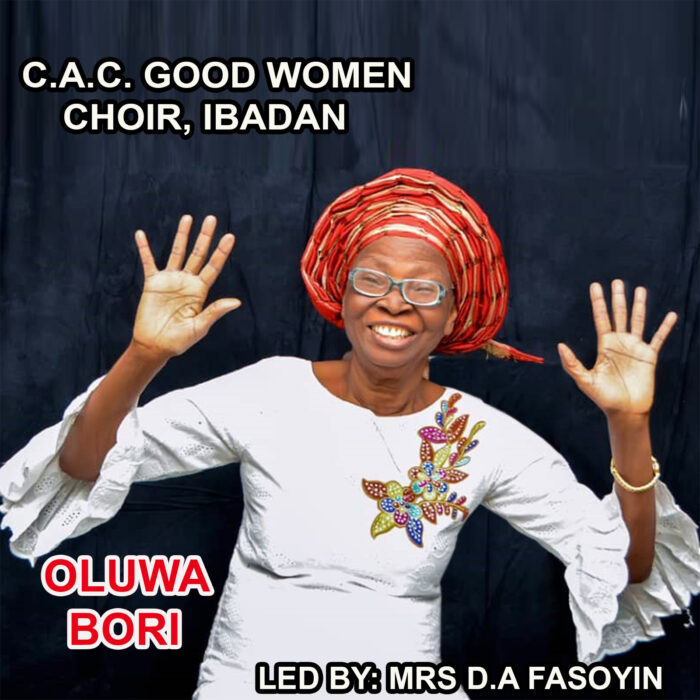
Oluwa Bori, which means “God Is Victorious,” is one of the most iconic and spiritually powerful tracks by the C.A.C. Good Women Choir Ibadan, led by the legendary Mrs. D.A. Fasoyin. This song has inspired generations of gospel music lovers with its message of hope, faith, and divine victory over life’s challenges. Its journey, from a short filler track to a full-fledged gospel anthem, is a testament to God’s faithfulness and the choir’s unwavering dedication to ministry.

The original Oluwa Bori was recorded on 25th January 1985 at Decca West Africa, 30 Lawani Street, Akoka, Lagos, under the Ibukun Orisun-Iye record label. At that time, the track was intended as a brief addition to complete the album, lasting only about 1 minute and 10 seconds. Despite its short length, the song carried a powerful prophetic message, rooted in Scripture, that offered encouragement and hope. The lyrics draw inspiration from Exodus 14:13, where Moses reassures the Israelites: “Fear ye not, stand still, and see the salvation of the Lord…,” and from Matthew 26:36-42, reflecting Jesus’ ultimate victory in Gethsemane.

Over the years, Oluwa Bori grew in popularity, becoming a favorite Easter rendition among the choir’s followers. Fans consistently requested a video version, but a challenge arose—the original master recording under Ibukun Orisun-Iye Records went missing, and all efforts to retrieve it failed. Faced with this, the choir and their leader took a bold step to preserve the song’s legacy.

In March 2007, a Remix of Oluwa Bori was recorded by three members of the choir alongside Mrs. D.A. Fasoyin under the Berachah Music Limited label at Translation Studio, Aguda, Ogba, Lagos. The remix expanded the song from its original 1 minute 10 seconds to a 5-minute rendition, adding Saxophone, Guitar, and Hymn arrangements to enrich the track and make it uniquely relevant for a modern audience. This version not only met fans’ requests but also highlighted the choir’s creativity and commitment to maintaining the spiritual power of their music.

The message of Oluwa Bori is simple yet profound: no matter the circumstances, God is victorious. Just as Moses led the Israelites to triumph over Pharaoh’s army, and Jesus overcame the trials in Gethsemane, believers are assured of victory in every area of life through faith. The song reminds listeners that through prayer, trust, and steadfast faith, God’s salvation will manifest in their lives.

Oluwa Bori stands as a shining example of the choir’s ministry: music that uplifts, strengthens, and ministers hope. It is a track that combines Scripture, prophetic declaration, and rich musical arrangements to deliver a timeless message of victory. Beyond entertainment, it serves as a spiritual anchor, particularly during Easter celebrations, reminding the faithful that Jesus’ triumph over sin and death ensures victory for all who believe.

The legacy of Oluwa Bori continues to resonate, inspiring gospel music lovers in Nigeria and beyond. It reflects the vision and dedication of Mrs. D.A. Fasoyin and the C.A.C. Good Women Choir Ibadan, who have consistently used their music to glorify God, minister hope, and pass spiritual encouragement to every listener.

Truly, this song is a testament to the enduring power of faith, the strength of prophetic music, and the victory that is found in Jesus Christ. Glory be to God in the highest!

February 17, 2026 Halleluyah Ale — Where The Legacy Began

Halleluyah Ale — Where The Legacy Began

Halleluyah Ale — Where The Legacy Began

Introduction

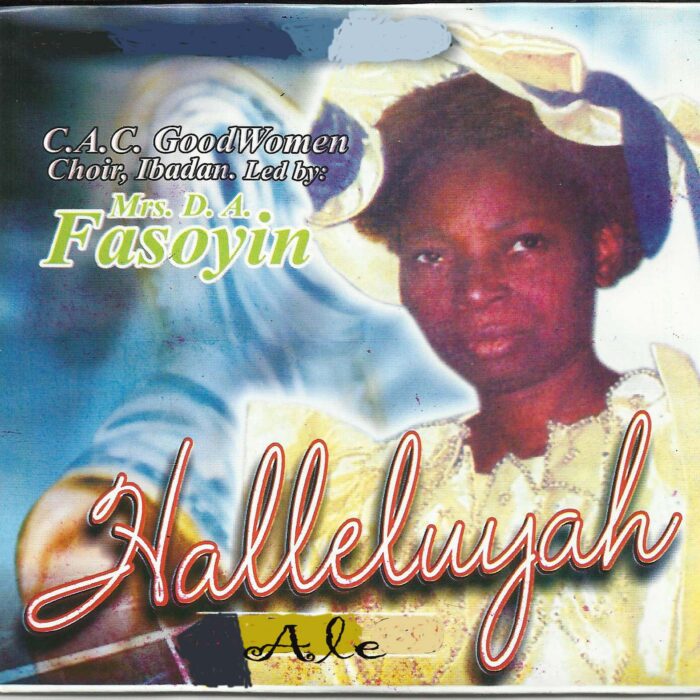
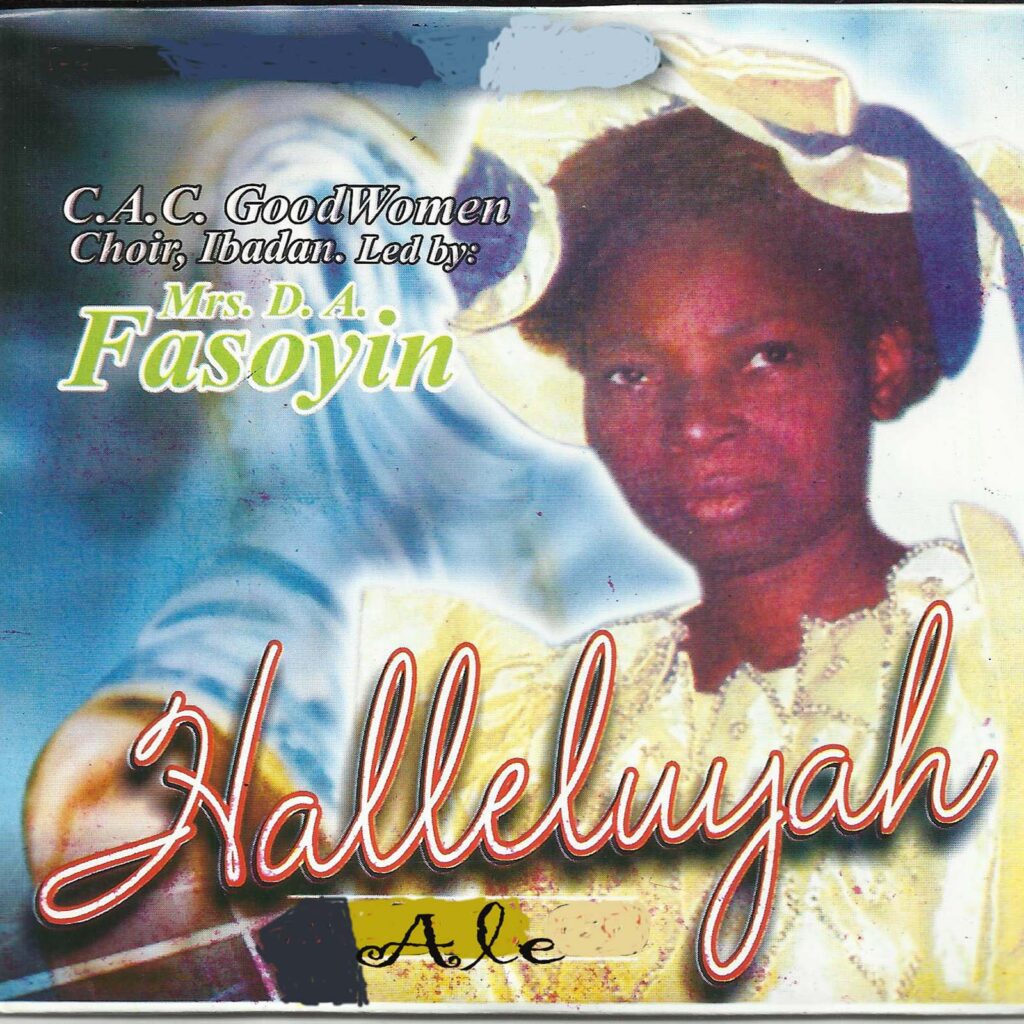
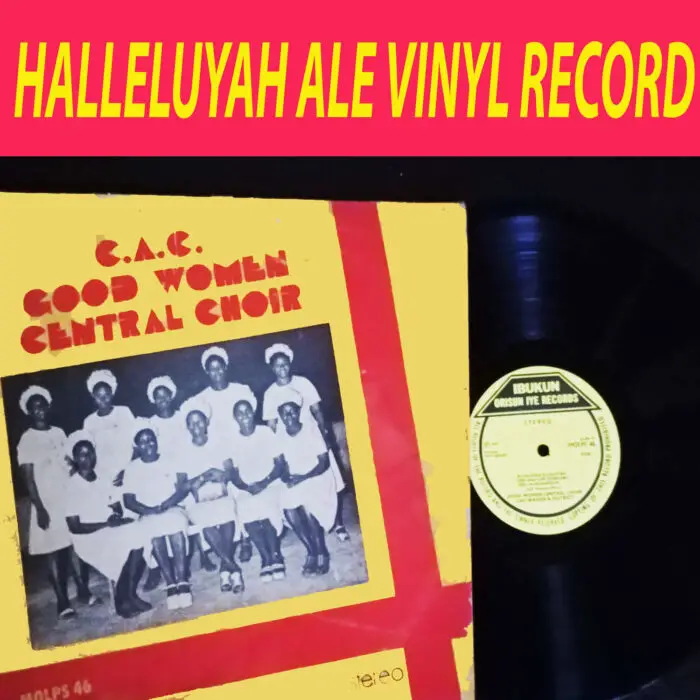
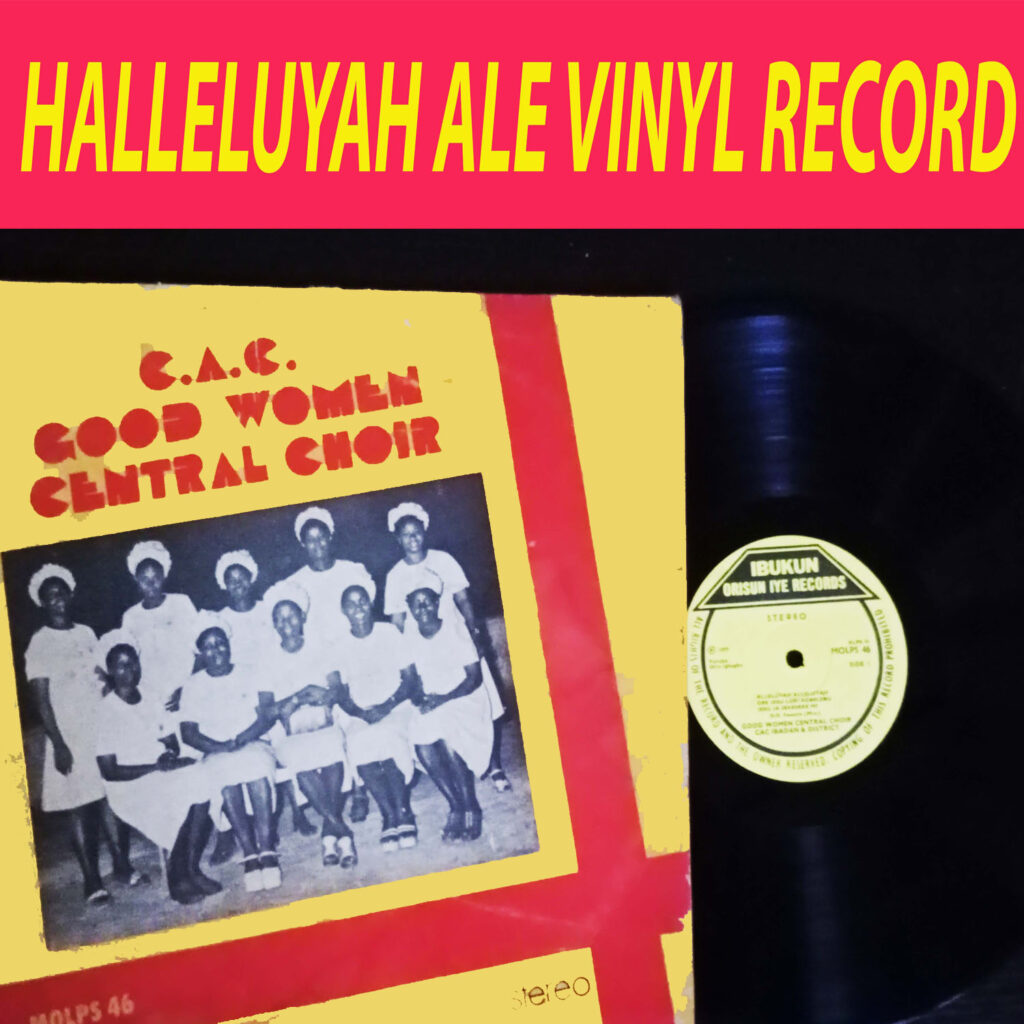
Recorded in April 1977, Halelluyah Ale stands as a historic milestone in the journey of C.A.C. Good Women Choir Ibadan, led by the visionary Mrs. D.A. Fasoyin. Written and composed entirely by the choir, this seven-track Easter collection was created to celebrate the death and resurrection of our Lord and Saviour Jesus Christ.

More than just an album, Halleluyah Ale represents the birth of a movement. It was the choir’s maiden release and, remarkably, the first recorded gospel album by an all-women Christian choir in Nigeria. At a time when gospel recording was still finding its footing, these courageous women stepped forward in faith, obedience, and sacrifice to leave an indelible mark on the nation’s spiritual and musical landscape.

Each track on the album carries a deep atmosphere of worship, thanksgiving, and reflection on Christ’s redemptive work. The songs were crafted to uplift weary hearts, strengthen believers, and remind listeners of the victory found in the resurrection. With soulful harmonies and prayerful expressions, Halleluyah Ale quickly resonated with churches and homes, becoming a cherished Easter companion for many worshippers.

As the group’s first release, the album formally introduced C.A.C. Good Women Choir Ibadan to the Nigerian gospel music scene. It opened doors for their later works and laid the foundation for what would become a long legacy of impactful ministry through song. From this humble beginning emerged a catalogue of albums that would bless generations and carry their message far beyond Ibadan.

What makes Halleluyah Ale even more remarkable is the spirit behind it. The choir did not embark on this journey for fame or financial gain. Instead, they were driven by a sincere desire to serve God wholeheartedly. Their unity, discipline, and prayerful preparation became hallmarks of their ministry, qualities that continue to define their music decades later.

Today, Halleluyah Ale remains a powerful reminder of what obedience to God’s calling can produce. It tells the story of women who dared to believe, dared to serve, and dared to step into history. From this single album came a legacy that would inspire countless listeners and encourage future generations of gospel ministers.

Indeed, Halleluyah Ale was not merely an album—it was the announcement of a divine assignment. And by God’s grace, that assignment continues to bear fruit.

Glory be to God. Hallelujah!

February 11, 2026 Kaye Koyo: When Worship Meets Celebration

Kaye Koyo: When Worship Meets Celebration

Kaye Koyo: When Worship Meets Celebration

Introduction

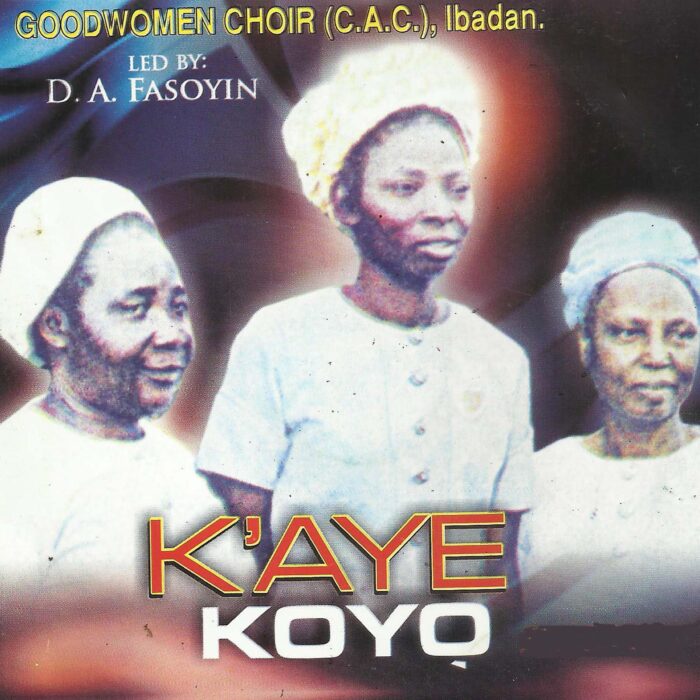
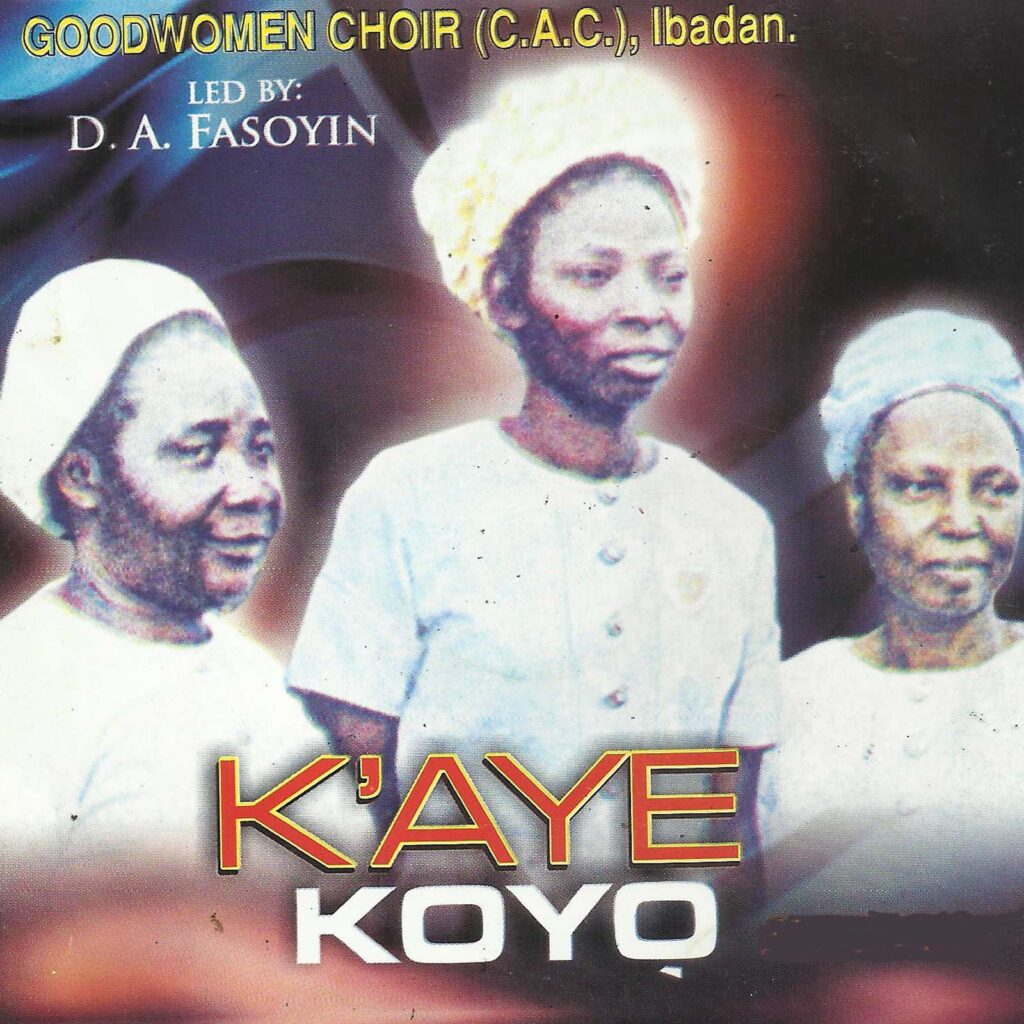
Kaye Koyo stands as a remarkable milestone in the musical journey of the C.A.C. Good Women Choir, Ibadan. Released as their second official album in December 1978, it also holds a special place in the choir’s history as their first seasonal combined project—bringing together Christmas and Easter songs in one powerful collection. Through this album, the choir beautifully celebrates both the birth of our Lord Jesus Christ and the victory of His death and resurrection.

The title Kaye Koyo, meaning “Let the Earth Rejoice,” captures the heart of the album’s message. It is inspired by Isaiah 9:6, which proclaims the coming of the Messiah: “For unto us a child is born, unto us a son is given… and His name shall be called Wonderful, Counsellor, The Mighty God, The Everlasting Father, The Prince of Peace.” This scripture sets the spiritual tone for the entire project, inviting listeners everywhere to rejoice in the gift of salvation.

The album features six inspiring tracks, each carefully crafted to reflect the divine story of Christ—His humble birth, sacrificial death, and glorious resurrection. With their signature African gospel rhythm and heartfelt group harmony, the Good Women Choir delivers each song with deep reverence and joy. The call-and-response style, combined with rich vocal arrangements, makes the album both spiritually uplifting and culturally grounded.

Kaye Koyo is more than just music—it is worship in motion. Every song carries a message of hope, gratitude, and redemption, reminding believers of God’s unfailing love and the ultimate victory found in Christ. Under the leadership of Mrs. D.A. Fasoyin, the choir poured sincerity and devotion into this album, continuing their mission of spreading the gospel through song.

For many listeners, Kaye Koyo became a seasonal companion during Christmas and Easter celebrations, offering moments of reflection and praise. Its timeless appeal has allowed it to remain relevant across generations, touching hearts both within and beyond Ibadan.

Decades later, Kaye Koyo still stands as a testament to the faith, dedication, and spiritual depth of the C.A.C. Good Women Choir. It reminds us that the story of Jesus is one worth singing about—again and again. Indeed, the earth has every reason to rejoice

February 3, 2026 Odun Yi Atura: A Timeless Gospel Legacy

Odun Yi Atura: A Timeless Gospel Legacy

Odun Yi Atura: A Timeless Gospel Legacy

Introduction

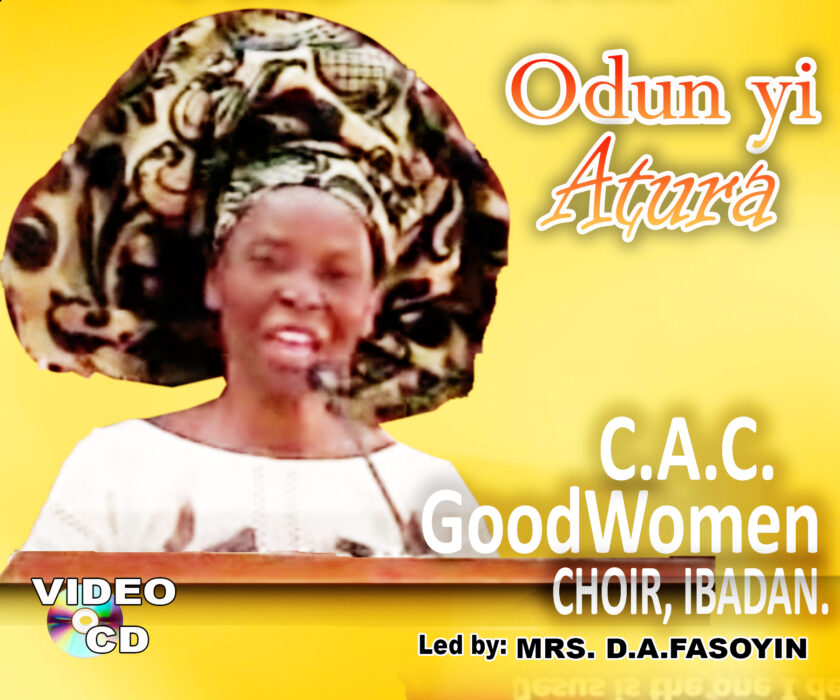
Odun Yi Atura stands as one of the most celebrated and spiritually impactful works of the C.A.C. Good Women Choir, Ibadan, a song that continues to resonate deeply with listeners across generations. On 20th October 2006, this powerful prophetic piece was brought to life visually by Berachah Music Limited, with filming carried out across several locations within the historic city of Ibadan. The choice of Ibadan was both symbolic and intentional. As the spiritual and operational base of the choir, the city represents the roots, journey, and identity of the Good Women Choir. Shooting the video there also allowed the people of Ibadan to experience firsthand the presence of the gospel maestros who have faithfully ministered through song for decades.

Composed by the C.A.C. Good Women Choir, Ibadan, and led by their revered leader Mrs. D.A. Fasoyin, Odun Yi Atura is far more than a song—it is a prophetic declaration and a heartfelt prayer. The message of the album speaks directly to the transition into a new year, proclaiming hope, reward, and divine favor. It assures listeners that the coming year will not be filled with hardship but with positive outcomes, answered prayers, and visible rewards for every sincere effort. In the same breath, the song offers thanksgiving to God for the blessings, victories, and provisions of the outgoing year, while earnestly asking for even greater grace, abundance, and divine enablement in the year ahead.

Visually, the Odun Yi Atura video captures this message with simplicity, reverence, and cultural authenticity. The familiar environment of Ibadan, combined with the choir’s expressive ministration, creates a strong emotional connection that reinforces the song’s prophetic intent. This visual production marked the second major video project by the choir, further solidifying their commitment to preserving their ministry not only in sound but also in sight for future generations.

One of the defining milestones of Odun Yi Atura was the release of its English-subtitled version, a move that significantly expanded the song’s reach beyond Yoruba-speaking audiences. This thoughtful addition opened the door for a wider global audience to understand, appreciate, and connect with the depth of the choir’s message. As a result, the album gained even more recognition, earning numerous awards over the years and affirming the choir’s lasting influence in gospel music ministry.

At its core, Odun Yi Atura remains a prophetic song designed to usher believers into a new year with faith, gratitude, and expectation. It reflects the heart of the C.A.C. Good Women Choir—music rooted in prayer, scripture, and unwavering trust in God. Even years after its release, the song continues to inspire hope, strengthen faith, and remind listeners that every new year carries divine possibilities when entrusted into God’s hands.

January 26, 2026 The Journey Behind the Odun Nlo Sopin Original Video

The Journey Behind the Odun Nlo Sopin Original Video

The Journey Behind the Odun Nlo Sopin Original Video

Introduction

Odun Nlo Sopin is more than just a celebrated gospel album—it is a timeless anthem of faith, hope, and divine blessing. Released originally in 1979 by C.A.C. Good Women Choir, Ibadan, under the leadership of Mrs. D.A. Fasoyin, the album quickly became a cornerstone of Nigerian gospel music. Its unique rhythm, authentic sound, and spiritually uplifting messages have earned it the reputation of being one of the biggest-selling gospel albums in Nigeria, with thousands of copies sold each time it is reprinted, especially toward the end of the year.

For over two and a half decades, the album was only available in audio format. Fans across Nigeria and beyond consistently requested a visual rendition, eager to see the choir bring the music to life. Responding to this high demand, the choir and their producers collaborated to conceptualize and produce the Original Video, which was officially released on 15th September 2005 by Berachah Music Limited in Lagos.

The production of the video involved both spiritual and physical preparation. Spiritually, the choir sought God’s guidance, praying and waiting for confirmation that producing the video aligned with His will. Physically, the task was challenging because the choir had not performed together since 1995, and some members had relocated from Ibadan. Gathering the remaining members required careful planning and coordination, reflecting the dedication and perseverance of everyone involved.

Eventually, approximately 10 of the original 15 members who had recorded the album in 1979 were reunited for the video shoot. This reunion allowed the choir to recreate the magic of the original recording while honoring the integrity of their ministry. The video not only captured their vocal harmonies but also reflected their heartfelt devotion and unity as a group committed to glorifying God through music.

The enduring popularity of Odun Nlo Sopin can be attributed to its indigenous rhythmic approach, which blends traditional African percussion with gospel harmonies. This distinctive style gives the music a sound that is immediately recognizable and deeply relatable. Beyond the rhythm, the album’s lyrics are grounded in Biblical texts and scriptures, thoughtfully composed by Mrs. D.A. Fasoyin to inspire worship and convey powerful messages of faith, thanksgiving, and God’s protection.

Producing the Odun Nlo Sopin Original Video was more than a creative endeavor—it was a ministry in action. It provided fans with a visual experience that complemented the timeless music while allowing the choir to reach a new generation of gospel enthusiasts. The video immortalizes the choir’s dedication and serves as a lasting testament to their contribution to Nigerian gospel music.

Through determination, prayer, and unwavering commitment, C.A.C. Good Women Choir, Ibadan, led by Mrs. D.A. Fasoyin, turned a long-awaited request into a reality. The Odun Nlo Sopin Original Video is a celebration of faith, unity, and musical excellence—a reminder that God’s work through dedicated hearts can endure across generations.

August 25, 2024 C.A.C. Good Women Choir Ibadan: Costume Insight

C.A.C. Good Women Choir Ibadan: Costume Insight

C.A.C. Good Women Choir Ibadan: Costume Insight

Clothing is more than just fabric; it is a language, a reflection of identity, culture, and values. Across the world, how we dress communicates who we are, our tastes, and the communities we belong to. In both secular and gospel music, artists are often recognized not only for their voices but also for their unique style, which becomes a signature expression of their identity and artistry. Fans and admirers frequently emulate this style, creating a visual connection with the artist’s music and message.

For the C.A.C. Good Women Choir Ibadan, their costume is deeply symbolic, reflecting both the cultural traditions of their community and the religious principles of the Christ Apostolic Church. The C.A.C. Church in Ibadan and District enforces a strict dress code for all ministers and members, which has directly influenced the choir’s attire. For women, this means no earrings, makeup, wigs or weaves, neck chains, bangles, trousers, or short skirts. Every piece of clothing is intentional, honoring the authority of the church and reinforcing a sense of belonging and discipline.

The choir’s attire is more than mere compliance—it is a form of worship and a visual representation of their ministry. Just as cultural traditions preserve history, beliefs, and values, religious traditions help believers maintain a deep connection with God. For the choir, dressing in accordance with the church’s directives is a way of expressing reverence, unity, and commitment to the mission of gospel music.

When we examine the artwork of the choir’s albums over the years, it becomes evident that their costume has always conformed to the church’s standards. Whether it is the leader, Mrs. D.A. Fasoyin, or the other choir members, everyone consistently maintains this distinctive identity. Even when pressures arise or they feel out of place, the choir’s resolute commitment to integrity ensures that they uphold the church’s instructions. Their discipline in dressing is a testimony to their dedication, selflessness, and focus on the ministry rather than personal appearance or fashion trends.

Fashion, in this sense, is not just self-expression but a medium for ministry. The C.A.C. Good Women Choir’s attire communicates their values, commitment, and respect for spiritual authority, while also preserving a heritage that spans decades. By maintaining this visual identity, the choir bridges the past and present, showcasing a legacy of faith, discipline, and devotion.

For those who want to explore more about the choir and their distinctive style, you can visit their official blog at C.A.C. Good Women Choir Ibadan or watch a video highlighting their costume here. All their musical works are also available for download at https://www.cacgoodwomenchoiribadan.com

https://www.youtube.com/watch?v=m_XrqnsByCU  video link for gwc costume blog

August 5, 2024 From Vinyl to Streaming: Choir Historical Records Journey

From Vinyl to Streaming: Choir Historical Records Journey

From Vinyl to Streaming: Choir Historical Records Journey

The story of C.A.C. Good Women Choir Ibadan’s recordings is a remarkable testimony of vision, faith, and resilience in the gospel music industry. It all began in 1976, when the leadership of the choir, guided by the Holy Spirit, felt a divine call to start recording their music. This decision was presented to the C.A.C. Church Council, which gave its approval, clearing the way for the choir to embark on a journey that would make history in Nigeria’s gospel music scene.

The choir leadership reached out to several music marketers of the time, but only Ibukun Orisun-Iye Records Label was willing to take a chance. This was a bold move because, until then, no all-female gospel choir in Nigeria had ever recorded an album. Despite the odds, faith and determination prevailed.

In April 1977, the choir stepped into DECCA West Africa’s studio to record their maiden album, “Halleluyah Ale.” This marked the beginning of a legacy that would span over two dozen albums, including beloved titles like Mo Nwoju Olorun, Kaye Koyo, Odun Nlo Sopin, and Odun Yi Atura. All of these albums were produced under Ibukun Orisun-Iye Records, demonstrating a fruitful partnership built on trust and shared vision.

It is important to appreciate the technological context of the time. In 1977, music was primarily distributed via vinyl records, round, flat discs that stored sound in an analog format. These records were played on turntables or record players, and the quality of the platter and groove directly affected sound clarity and fidelity. Every one of the choir’s first 25 albums was recorded on vinyl at DECCA West Africa, capturing the richness of their voices and the depth of their ministry in a format that was revolutionary for female gospel artists of the era.

As technology evolved, so did the choir’s approach to recording and distribution. Vinyl records gave way to audio cassettes, which were later replaced by compact discs (CDs and DVDs). In more recent years, the choir embraced digital downloads and streaming platforms, ensuring that their music reaches audiences worldwide. This willingness to adapt to changing technology has preserved the choir’s relevance and allowed their ministry to impact generations far beyond their original geographic reach.

The journey of C.A.C. Good Women Choir Ibadan’s recordings is more than just about music—it is a story of visionary leadership, faith, and foresight. Since 1977, the choir has navigated the ever-changing music industry, evolving with technology without compromising their message or spiritual integrity. Their work stands as a testament to what is possible when divine calling meets dedicated execution.

All albums and videos of the choir are available online for purchase or streaming, ensuring that this legacy continues to inspire listeners around the globe. You can explore more about the choir and their works on their official website: C.A.C. Good Women Choir Ibadan

July 27, 2024 Legends Reunited: What The Remaining C.A.C. Good Women Choir Are Up To

Legends Reunited: What The Remaining C.A.C. Good Women Choir Are Up To

Legends Reunited: What The Remaining C.A.C. Good Women Choir Are Up To

Introduction

Even after decades of ministry, the C.A.C. Good Women Choir Ibadan continues to find ways to glorify God and inspire believers through gospel music. One notable example of their recent collaboration is the video production of “Oluwa Bori,” which took place in November 2019.

This project was not just another recording; it was a labor of love and a tribute to the choir’s beloved leader, Mama D.A. Fasoyin. The timing of the video was intentional—planned to be ready in honor of her 80th birthday on the 1st of March 2020. For the choir, this was an opportunity to celebrate not only Mama Fasoyin’s milestone but also the enduring impact of her ministry and the choir’s rich musical legacy.

When the video was finally unveiled on her birthday, it was a moment of great joy and thanksgiving. The surviving members of the choir, who had faithfully upheld the ministry through the years, came together to participate in the production. Their presence was a testament to their unwavering dedication and the deep bond that unites them through decades of shared worship and service.

Beyond the excitement of its release, the “Oluwa Bori” video carries a greater spiritual purpose. It is intended to touch the hearts of everyone who watches it, drawing them closer to God through the power of song. Each note, harmony, and lyric reflects the choir’s commitment to glorifying God and ministering to the lives of others, just as they have done since the choir’s founding.

This collaboration also highlights the resilience and faithfulness of the surviving members. Despite challenges over the years—including the natural decline in numbers due to age—they continue to honor their calling. The video project demonstrates that even a small group, united by purpose and passion, can make a powerful impact when they dedicate their gifts to God.

In essence, the “Oluwa Bori” video is more than just a production; it is a celebration of faith, legacy, and the enduring spirit of the C.A.C. Good Women Choir Ibadan. It stands as a reminder that God’s work continues through those who are faithful, no matter the circumstances. For every viewer, the message is clear: God’s glory can be experienced, celebrated, and shared through music, and the choir remains a living example of this truth.